Project name: Cozinha São Pedro
Architect: VAGA Arquitetura
Location: Itu – São Paulo, Brazil
Construction Year: 2021
Additional Projects and Consulting: SERTEC [installations], Estillo Arquitetura - Erlise Tancredi [industrial kitchen]
Photos: Carolina Lacaz
מחסן ישן הופך למסעדה וחלל אירועים באמצעות שחזור הארכיטקטורה המקורית, בפרויקט חתום על ידי VAGA Arquitetura.
ממוקם בתוך מוזיאון FAMA באיטו, סאו פאולו, הפרויקט של Cozinha São Pedro, שפותח על ידי VAGA Arquitetura, נועד ליצור חלל מסביר פנים למסעדה שיכולה לשמש גם כאזור אירועים. האדריכלים התחילו עם יצירת סביבה עכשווית, התאמת מבנים קיימים לשימוש חדש, ביסוס דיאלוג מכובד עם המורשת ויצירות האמנות הפרוסות על פני המתחם ששטחו 25,000 מ'ר בו שוכן מוזיאון FAMA.
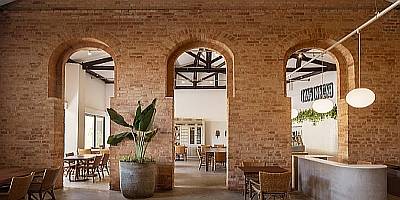
Cozinha São Pedro is housed in two warehouses and features a bistro and restaurant. The new architecture offers a unique experience to visitors through a simple yet impactful intervention that creates a conducive space for interaction, with the historic building as the protagonist. From the original architecture, the exposed clay brick structural walls and arched passages stand out, which had been closed due to past renovations. Their reopening reestablished the physical and visual connection between the warehouses.
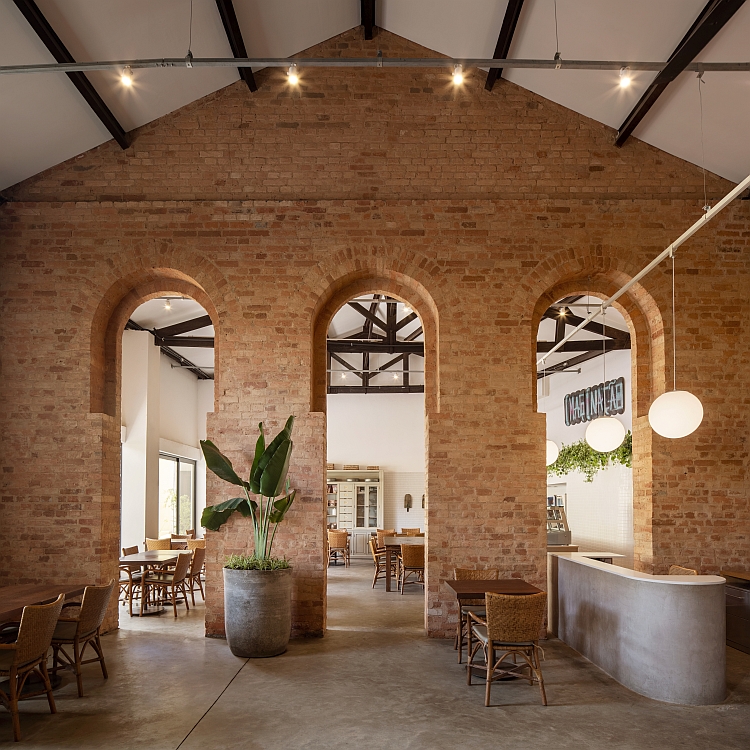
Photo Credit: Carolina Lacaz
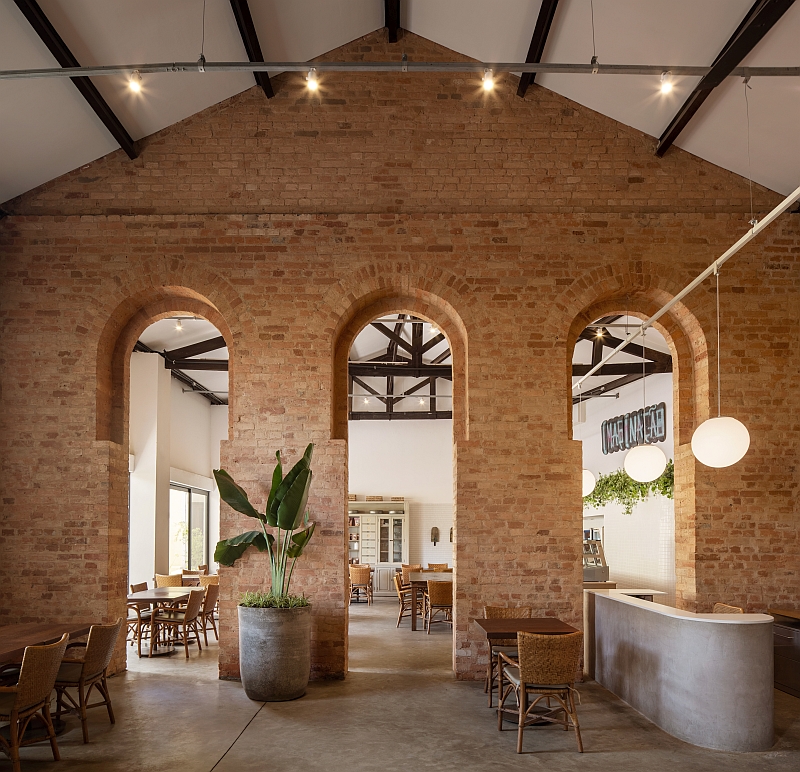
Photo Credit: Carolina Lacaz
The exposed concrete floor and counter stand out, as do the new spaces, compartmentalized by walls covered in white tiles. Except for the monolithic counter that crosses one of the arches, all non-fixed furniture allows for flexible layout changes, enabling the space to host uses beyond the restaurant, such as museum events or independent functions.
Beyond functionality, lighting was treated as an aerial element associated with the fixed counter, reinforcing the connection and integration between spaces. The pendant luminaires with frosted white acrylic spheres are striking elements in the design.
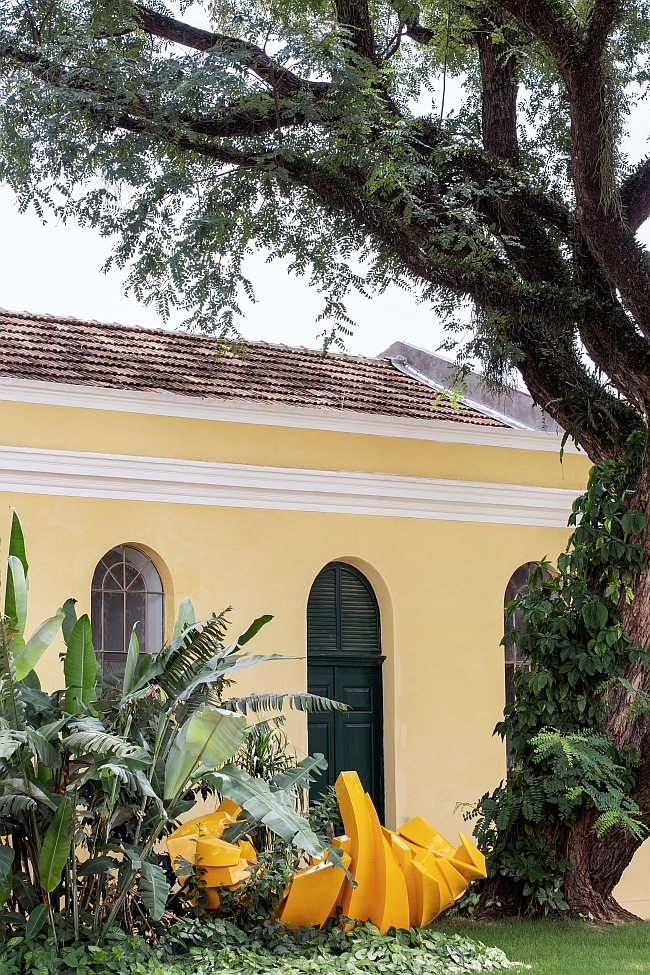
Photo Credit: Carolina Lacaz
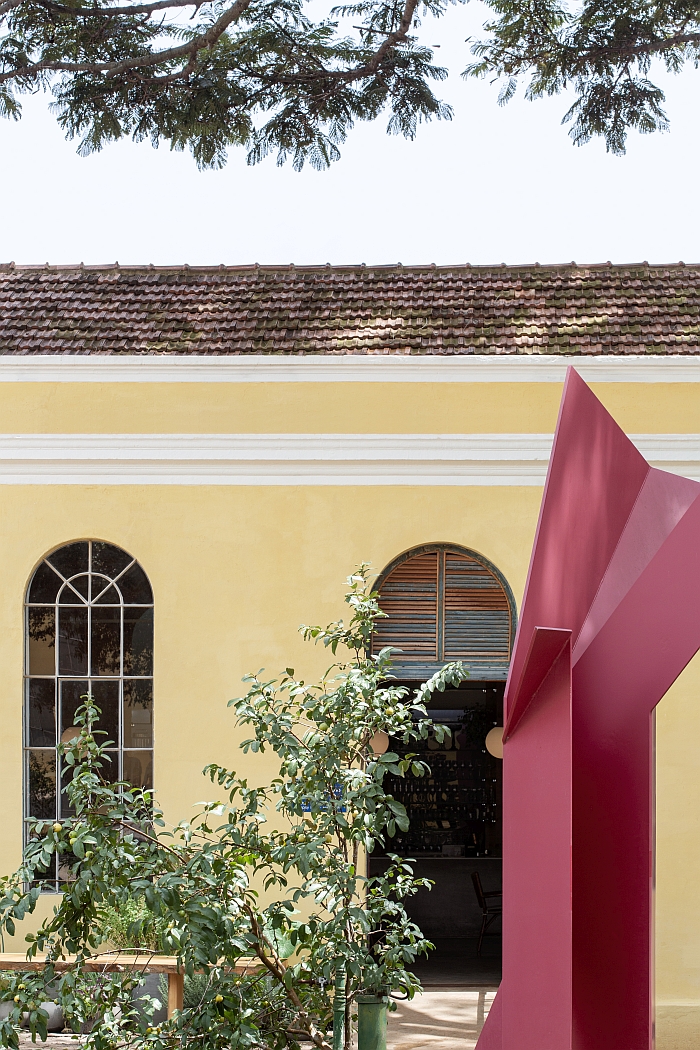
Photo Credit: Carolina Lacaz
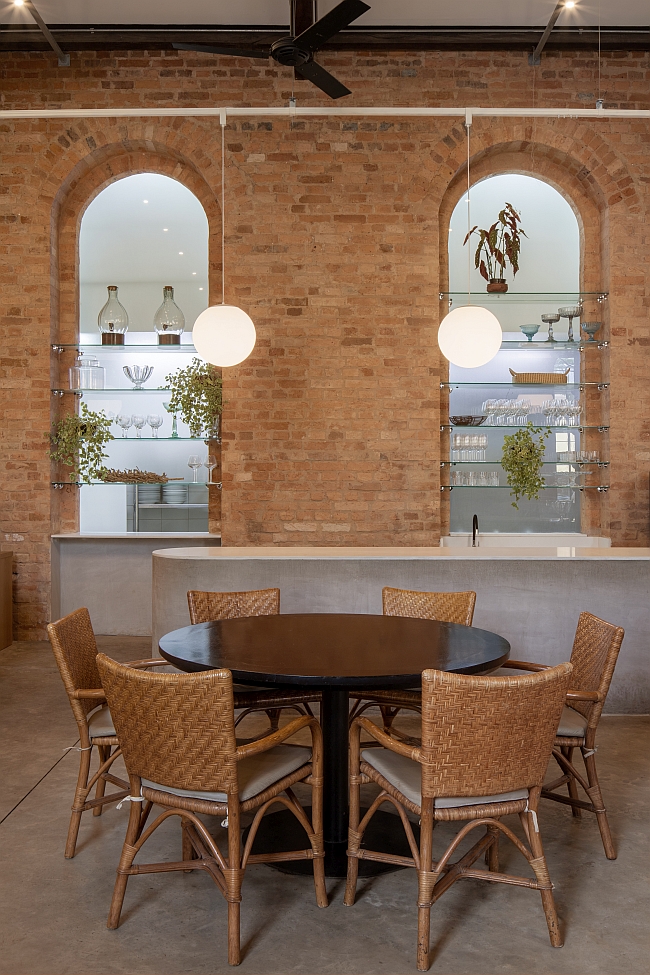
Photo Credit: Carolina Lacaz
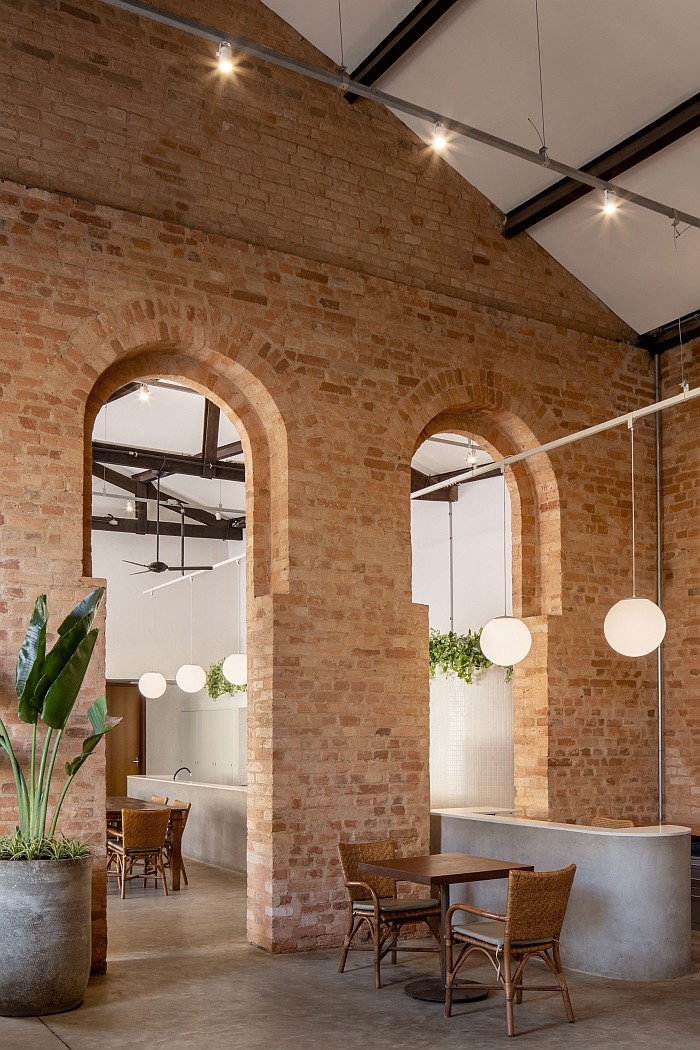
Photo Credit: Carolina Lacaz
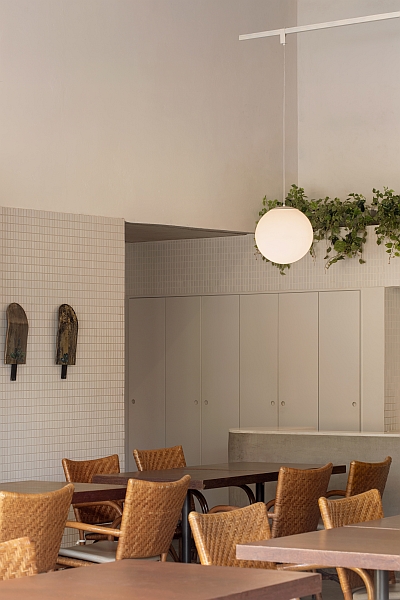 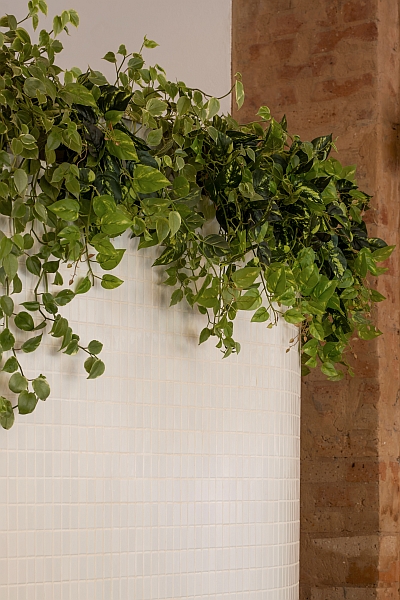
Photo Credit: Carolina Lacaz
The architects collaborated with the museum's restoration team to understand the relevant elements present in the buildings and restore them in a way that enhanced the original architecture while allowing the creation of new uses and spaces.
Regarding landscaping, the idea was to selectively bring the outside gardens into the space without compromising layout flexibility.
The main differentiator of this project is how the new architecture manages to foster a dialogue between eras, using simple yet efficient techniques capable of establishing a physical and poetic communication between spaces. The project makes it clear that it is not about mimicking the new architecture to the existing one, clearly distinguishing between what is new and what is old to the viewer, while proposing a harmonious coexistence between the elements.
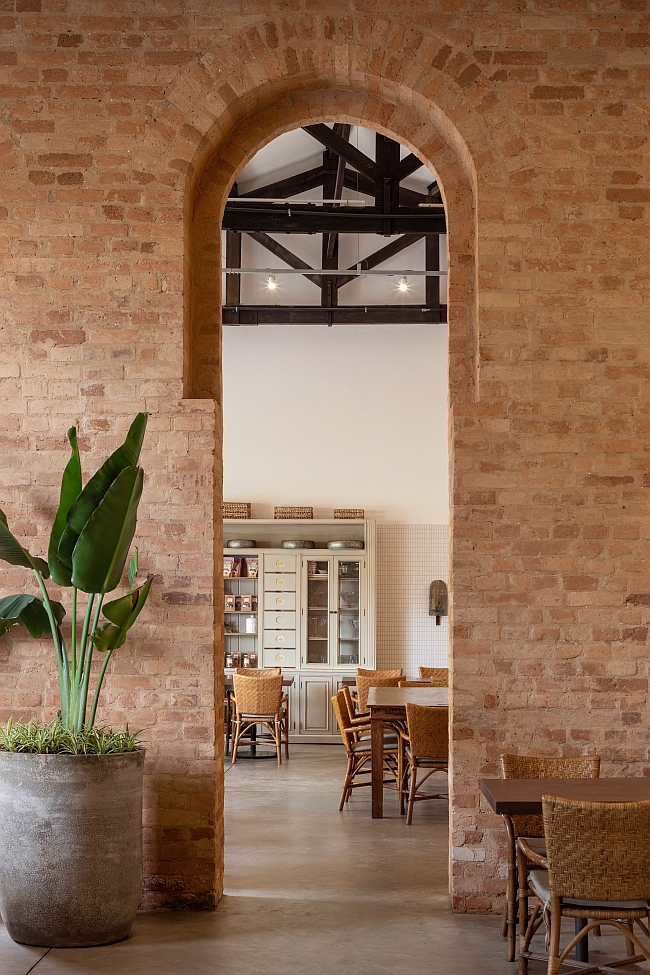
Photo Credit: Carolina Lacaz
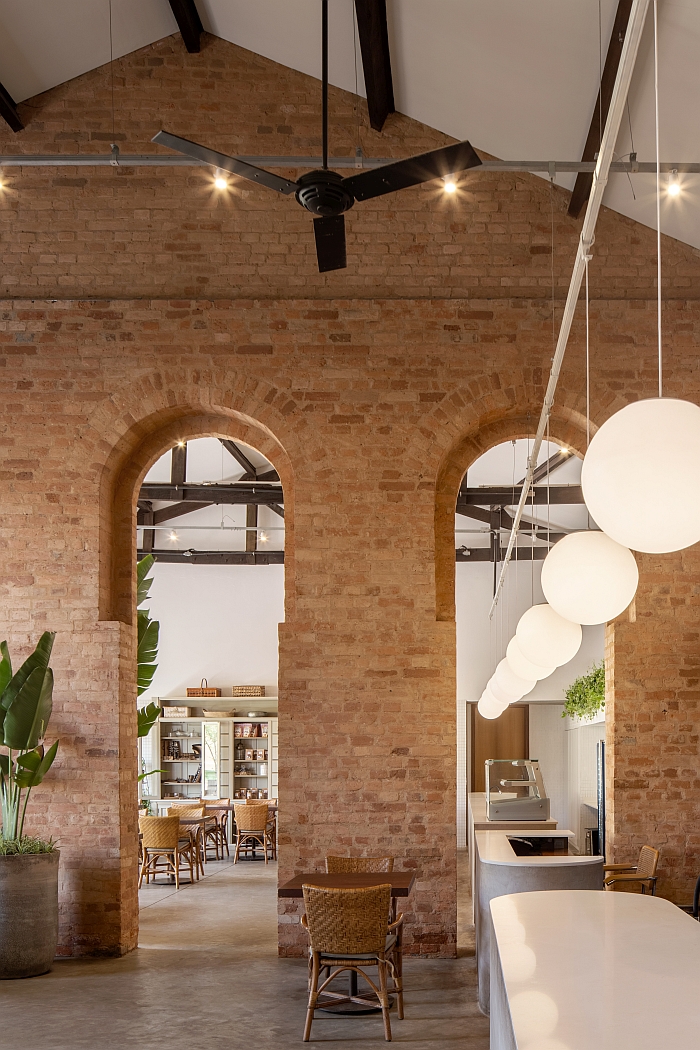
Photo Credit: Carolina Lacaz
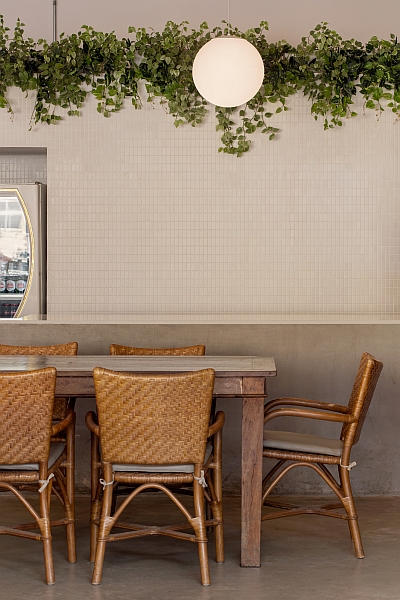 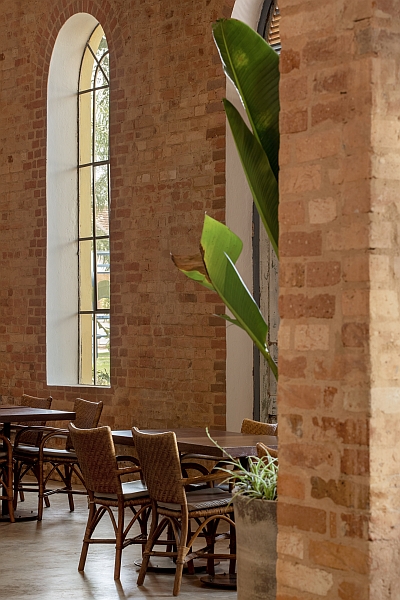
Photo Credit: Carolina Lacaz
|


 תערוכת בוגרי/ות בצלאל 2026
 תערוכת הגמר של בית הספר מוסררה בשנת 2026
 60 שנות ארכיטקטורה בבצלאל : כנס בוגרים/ות והשקת ארכיון חי
 חיסכון של מאות אלפי שקלים – איך אנחנו עושים את זה?
 מה שנשאר תערוכת יחיד | נעמה עילם
 הישג חשוב לזכויות המיגון בתל אביב-יפו - התאחדות האדריכלים ובוני הערים בישראל
 תכנון ועיצוב מטה חברה בברזיל
 למרות הכל: ענף האדריכלות והעיצוב בתנועה
 רענון אביבי לבית: מבצעים והשקות לפסח
 מול הכנרת: בית שמרגיש כמו חופשה - אדריכלות ועיצוב: סטודיו 'רות ולבנה'
  צבע כאמירה של שמחה: השפה האופטימית של סטודיו טולה
 נשים שיודעות לבנות, לעצב ולהוביל
  קולקציות 2026 אביב
 דווקא עכשיו: צאו החוצה מאת שי דוד, מעצב נוף, כרכום
  הגוונים החדשים באקריל - בלורן


