Project Name : TOKYU KABUKICHO TOWER
Location : Tokyo, Japan
Architects: Kume Sekkei Co, Ltd. and Tokyu Architects & Engineers INC. Consortium
Façade / Interior [hotel entrance, theater foyer] Designer: Yuko Nagayama & Associates
Constructor: Shimizu Corporation and Tokyu Construction Co.,Ltd. Consortium
Photographer : Daici Ano, Tomoyuki Kusunose
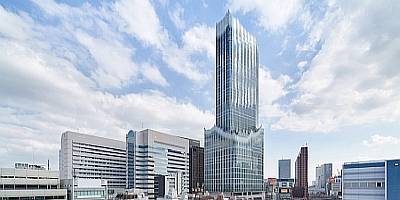
Yuko Nagayama & Associates עיצבו את החזית של TOKYU KABUKICHO TOWER - למעלה מ-4000 לוחות זכוכית שהודפסו על פני השטח המייצגים את המזרקה שהייתה שם פעם. בניין גבוה זה ברובע קבוקיצ'ו של טוקיו, ליד תחנת שינג'וקו, משתרע על פני חמש קומות מרתף ו-48 קומות מעל פני הקרקע ויש לו שטח רצפה כולל של כ-87,400 מ''ר. זהו מתחם הבילויים הגדול ביותר ביפן, הבניין מכיל קולנוע, תיאטרון, אולם חי ושלל פונקציות אחרות. האדריכלים עבדו על העיצוב החיצוני של הבניין וחלק מעיצוב הפנים.
Kabukicho is one of the world’s most bustling nightlife districts. In an effort to lift the spirits of the city’s inhabitants in the wake of World War II, a plan was conceived in the private sector to build an entertainment district where people could enjoy themselves and unwind. Subsequently, the area was chosen as the venue for a cultural exposition. After the exposition, the site was converted into an entertainment district, and Kabukicho was born—a rare example of a private-sector initiative in Japan’s postwar reconstruction planning.
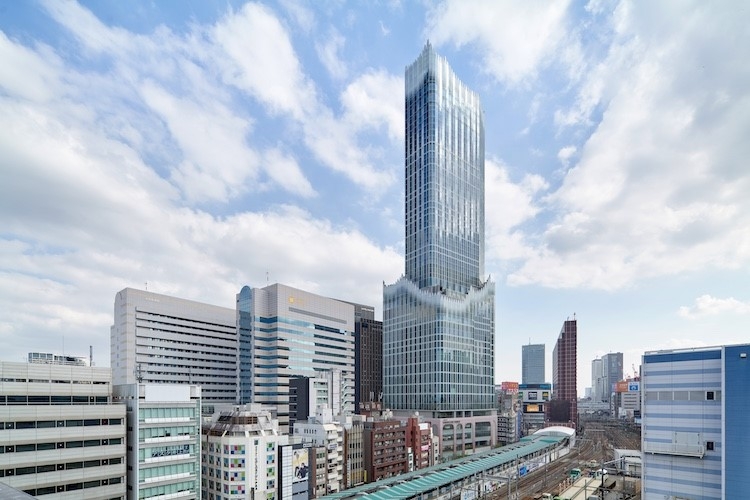
Photo Credit: Daici Ano, Tomoyuki Kusunose
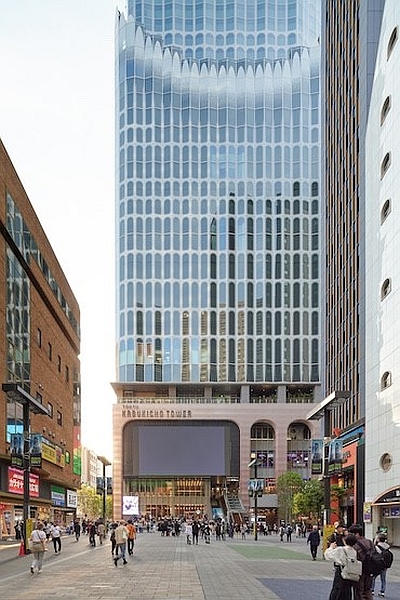 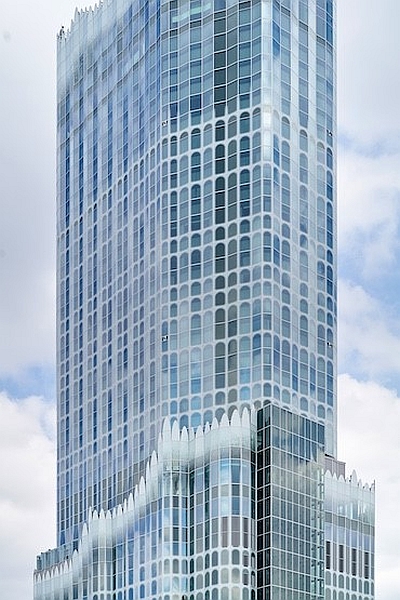
Photo Credit: Daici Ano, Tomoyuki Kusunose
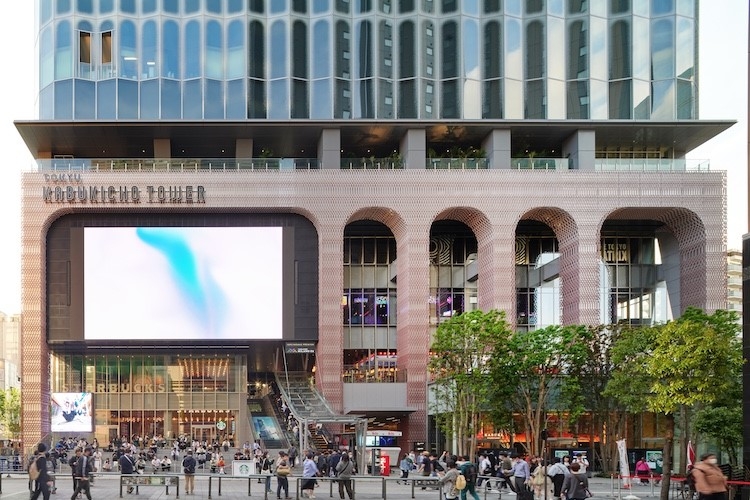
Photo Credit: Daici Ano, Tomoyuki Kusunose
After considering what type of skyscraper would be appropriate given Kabukicho’s historical background, we decided the design should not express authority or power, as is common with traditional skyscrapers. As the plaza in front of the building once contained a fountain, we opted to incorporate this element into the design as a symbolic tribute to the vitality and energy that emanates from the people in Kabukicho. Fountains are formless; without momentum from below, the fountain disappears. This ephemeral, wavering form has become a new symbol of the Kabukicho district.
The building’s upper façade is made of glass, with ceramic-dot patterns printed on the surface representing the spray of the fountain. Below these, meticulously detailed ceramic-printed wave patterns adorn the glass surface, while arches drawn along the window perimeters using gradient shading express the motion of spouting water. Whether viewed from up close or afar, the design creates an impression that corresponds to the scale. The lower part of the façade is made of cast aluminum, its lace-like pattern also incorporating traditional Japanese waveform motifs to create a translucent exterior.
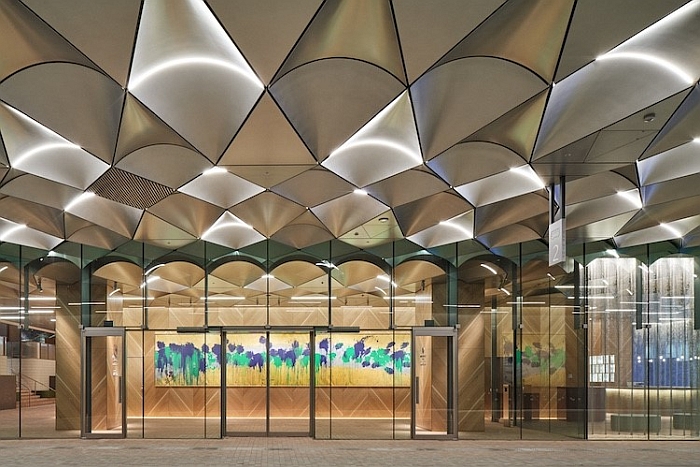
Photo Credit: Daici Ano, Tomoyuki Kusunose
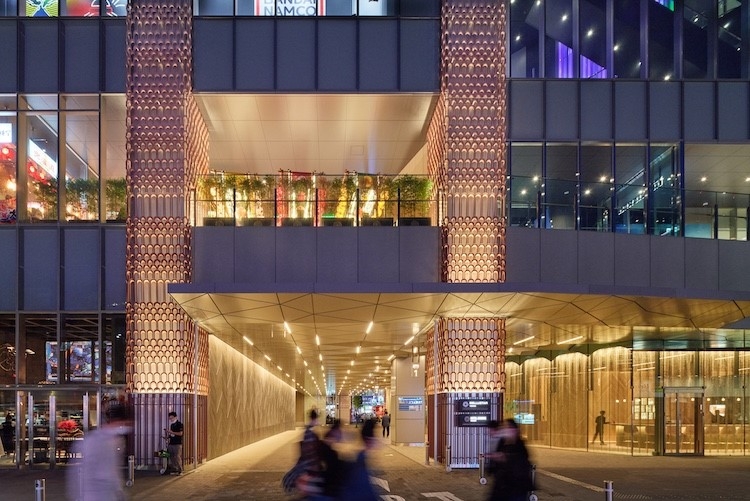
Photo Credit: Daici Ano, Tomoyuki Kusunose
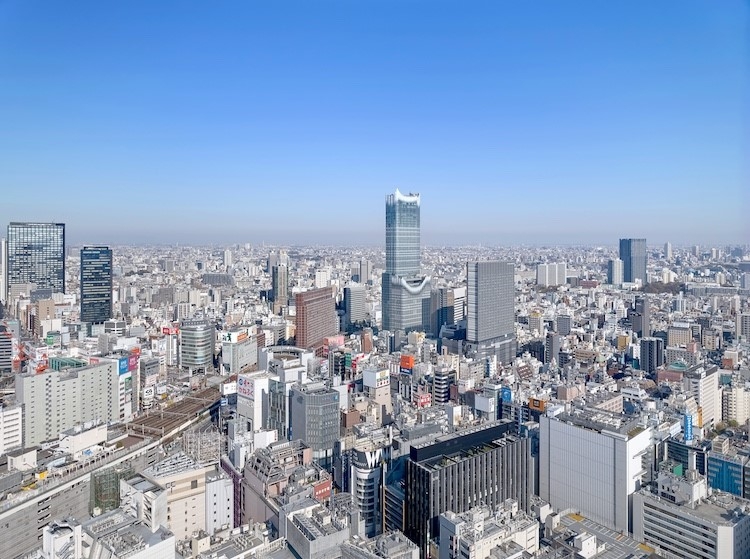
Photo Credit: Daici Ano, Tomoyuki Kusunose
Our work on the building’s interior design includes the first-floor passageway, the entrance, the first-floor lounge of the Bellustar Tokyo hotel, and the foyer and bar of the Theater Milano-Za, which occupies the sixth through ninth floors. The passageway ceiling is designed to resemble undulating waves, and the lounge windows give the impression of water flowing through chain-link fencing. The walls of the theater foyer are made of tubular pieces of aluminum; here as well, the design evokes the image of a fountain, creating an environment that provides theatergoers with an escape from the mundane. The interior design also encompasses artwork produced in collaboration with various artists; decorative objects in the lounge, paintings and photos on the walls, and original works on the foyer floor bring the space to life.
We hope that this new symbol of Kabukicho—its ethereal form at times seeming to dissolve phantom-like into the clouds—will ensure the enduring spirit of the district lives on into the future.
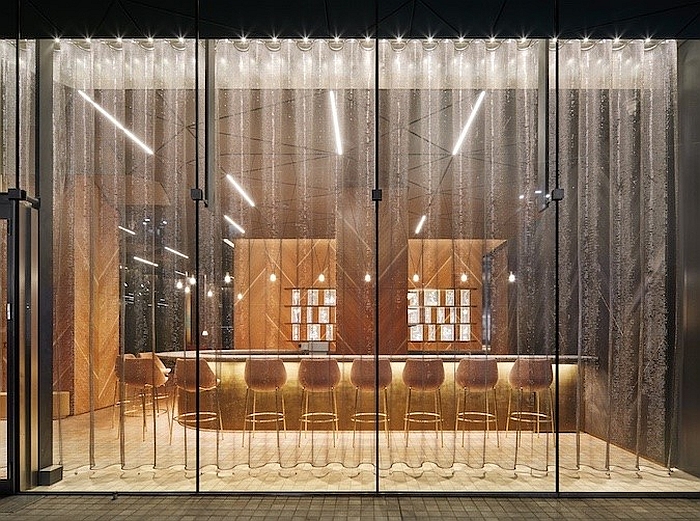 Photo Credit: Daici Ano, Tomoyuki Kusunose Photo Credit: Daici Ano, Tomoyuki Kusunose
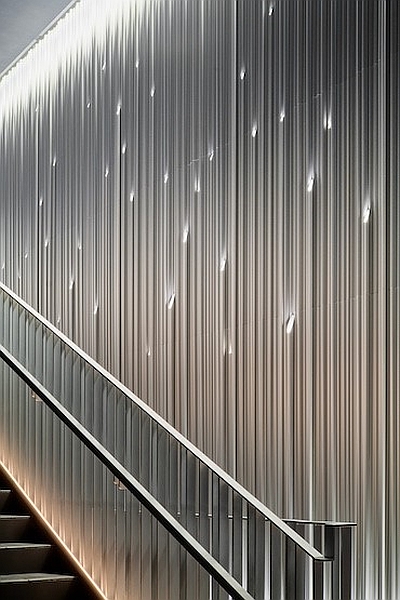 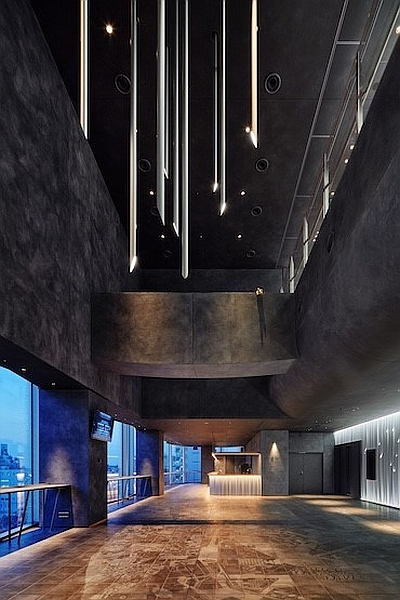 Photo Credit: Daici Ano, Tomoyuki Kusunose Photo Credit: Daici Ano, Tomoyuki Kusunose
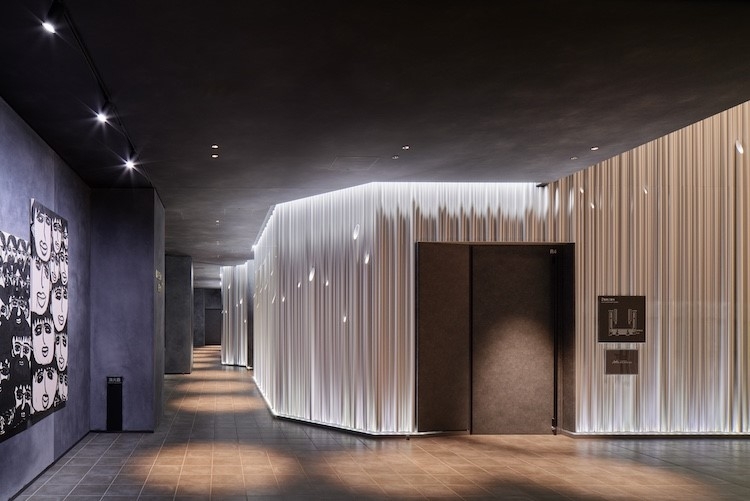 Photo Credit: Daici Ano, Tomoyuki Kusunose Photo Credit: Daici Ano, Tomoyuki Kusunose
|


 למרות הכל: ענף האדריכלות והעיצוב בתנועה
 רענון אביבי לבית: מבצעים והשקות לפסח
 מול הכנרת: בית שמרגיש כמו חופשה - אדריכלות ועיצוב: סטודיו 'רות ולבנה'
  צבע כאמירה של שמחה: השפה האופטימית של סטודיו טולה
 נשים שיודעות לבנות, לעצב ולהוביל
  קולקציות 2026 אביב
 דווקא עכשיו: צאו החוצה מאת שי דוד, מעצב נוף, כרכום
  הגוונים החדשים באקריל - בלורן
 מלון בוטיק פרטי: דירה בראשון לציון שעוצבה כפרק חיים חדש - מעצבת פנים שני חיוט
 לא רק עיצוב - יצירה מחדש של בית - מעצבת פנים גלית ששון
  הצד השמח של העיצוב: הבחירות שעושות חג בבית
 אהבה על שרטוטים: כשהשיפוץ הופך למבחן הזוגיות
 הוא רצה מודרני. היא חלמה כפרי. והמעצבות? מצאו דרך שלישית
  עולם המטבחים: כל מה שרצית לדעת
 ט״ו בשבט בבית – אדריכלות ועיצוב כדרך חיים המחוברת לטבע


