|
Name: Gelephu Mindfulness City
Size: 1000+ km2
Location: Gelephu, The Kingdom of Bhutan
Client: The Kingdom of Bhutan
Project team:
Partners-in-Charge: Bjarke Ingels, Giulia Frittoli
Project Manager: Nanna Gyldholm Møller
Design Lead: Dace Gurecka
Team: Anastasiia Golub, Filip Radu, Giancarlo Albarello Herrera, Krisha Arunkumar, Marius Tromholt-Richter, Matthew Goodwill, Monika Dauksaite, Sophie Høg, Xian Chen, Xu Lian
Visualizations: Brick Visual, Atchain, BIG
Animation: Squint/Opera & Brick Visual
בנאום ביום הלאומי ה-116 בפני קהל של 30,000, המלך ג'יגמה קסאר נמגייל וואנגצ'וק הציג את חזונו למרכז כלכלי חדש בבהוטן, המדינה הראשונה בעולם עם פחמן שלילי. אזור המינהל המיוחד של גלפו, הממוקם על גבול הודו-בהוטן, ימנף את מיקומו והקישוריות שלו לדרום ודרום מזרח אסיה כדי להניח את הבסיס לצמיחה העתידית של המדינה וליצור הזדמנויות כלכליות לאזרחיה באמצעות השקעות בטכנולוגיה ירוקה, חינוך ותשתיות. המדינה ממוקמת בעיירה Gelephu בדרום בהוטן, תוכנית האב של 1000+ קמ''ר שכותרתה 'עיר מיינדפולנס' על ידי BIG, Arup ו-Cistri מבוססת על התרבות הבהוטנית, עקרונות מדד האושר הלאומי [GNH] והמורשת הרוחנית החזקה של המדינה.
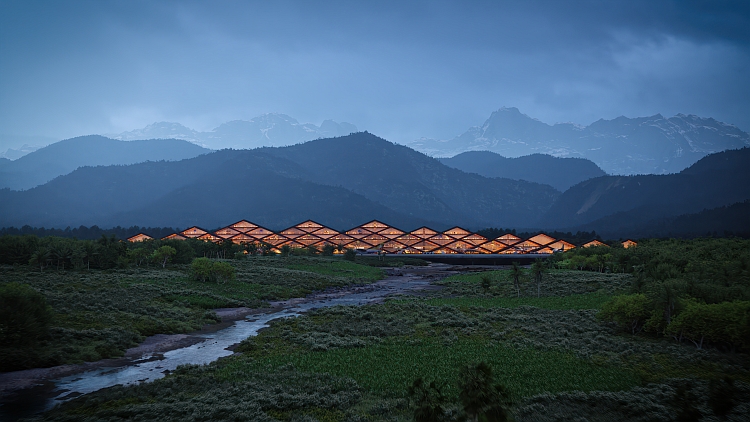
AERIAL MOUNTAIN by BRICK VISUAL
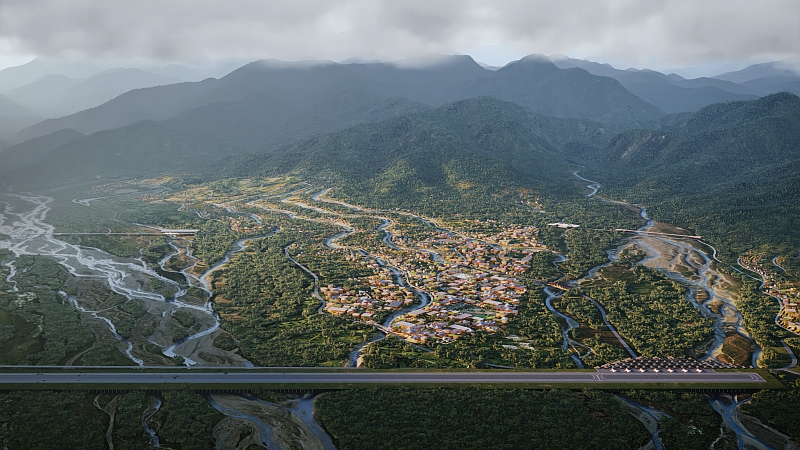
AERIAL MOUNTAIN by BRICK VISUAL
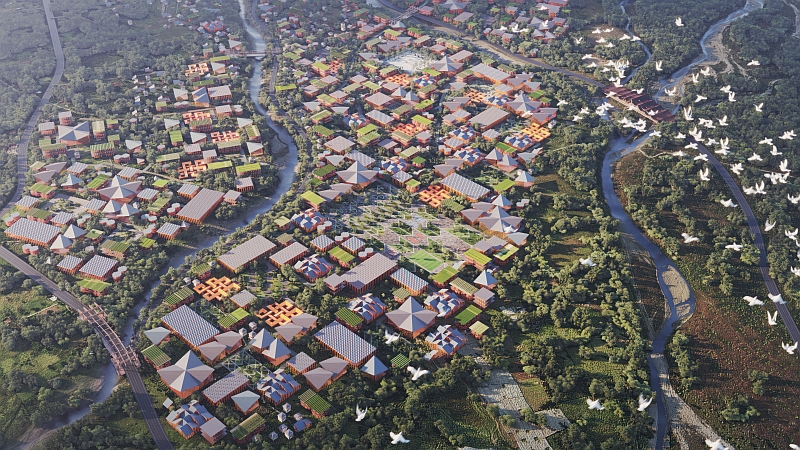
AERIAL MOUNTAIN by BRICK VISUAL
Designed by BIG’s Landscape and Urban Design Team, the masterplan includes a new international airport, railway connections, a hydroelectric dam, public spaces, and a language for local building typologies, based on the nine domains of GNH: Psychological Wellbeing, Health, Education, Living Standards, Time-Use, Ecological Diversity and Resilience, Good Governance, Cultural Diversity and Resilience, and Community Vitality.
Nestled between mountains, forests, and rivers, Bhutan stands as one of the last biodiversity hotspots in the world, with 70% of the country covered in forest. Mindfulness City aims to amplify the country’s abundant biodiversity by emerging as a vibrant tapestry of interconnected ecosystems and lively neighborhoods shaped by the flow of the 35 rivers and streams that run through the site. The resulting ribbonlike neighborhoods resemble paddy fields, forming urban terraces that cascade down from the hills to the valley. The city increases in density from the rural and recreational highlands to the urban and dense lowlands.
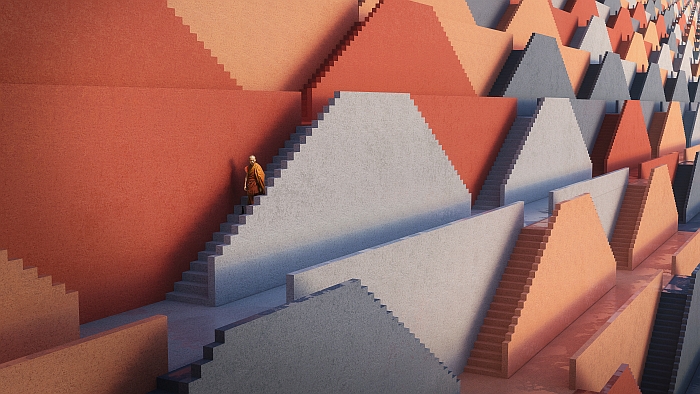
Photo Credit: BIG
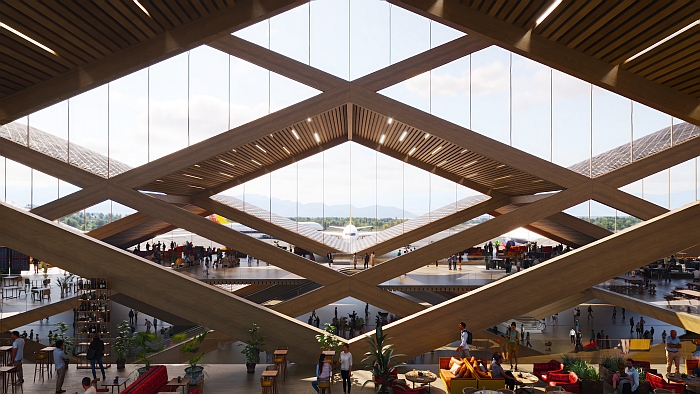
Photo Credit: BRICK VISUAL
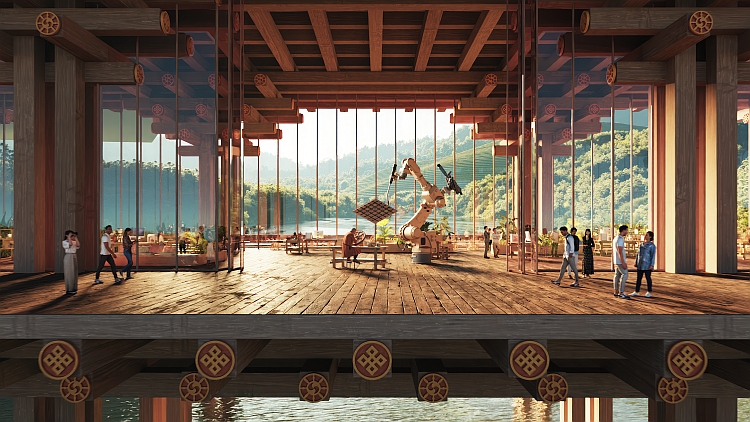
Photo Credit: BRICK VISUAL
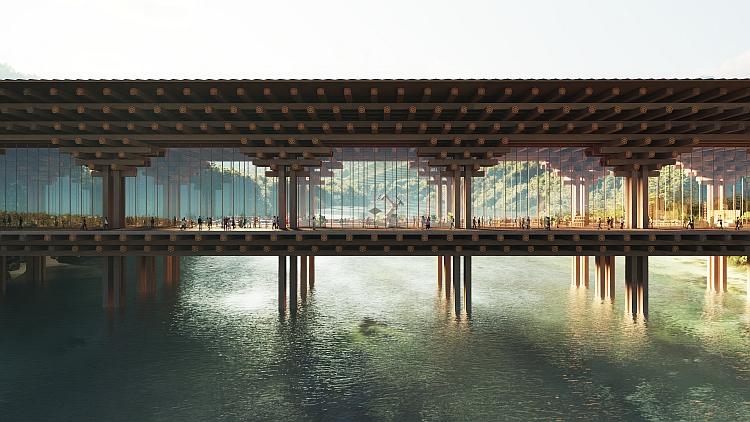
Photo Credit: BRICK VISUAL
“The Gelephu Masterplan gives form to His Majesty’s vision to create a city that becomes a cradle for growth and innovation while remaining founded on Bhutanese nature and culture. We imagine the Mindfulness City as a place that could be nowhere else. Where nature is enhanced, agriculture is integrated, and tradition is living and breathing, not only preserved but also evolved. Shaped by waterways, Gelephu becomes a land of bridges, connecting nature and people, past and future, local and global. Like the traditional Dzongs, these inhabitable bridges turn into cultural landmarks, doubling as transportation infrastructure combined with civic facilities. Among these, the Sankosh Temple-Dam embeds the city’s fundamental values into a cascading landscape of steps and landings, that like a 21st century Tigers Nest will be a manmade monument to the divine possibility of a sustainable human presence on earth. Turning engineering into art and turning the forces of nature into power.' - Bjarke Ingels, Founder and Creative Director, BIG – Bjarke Ingels Group.
The natural elements and the existing infrastructure, agriculture, and utilities of Gelephu naturally create eleven distinct neighborhoods across the 1000+ km2 area. Each of the eleven neighborhoods is designed based on the principles of the Mandala: defined by a series of repeating typologies organized symmetrically around a central public space, a gradual transition in density is created, from small buildings dispersed in the landscape in the north to larger footprints within an urban environment in the south.
To protect existing and future development against flooding in the monsoon season, paddy fields will be established along the site’s rivers and tributaries, running from north to south. These will further function as biodiversity corridors for local flora and fauna, leaving the migratory routes of elephants and other wildlife undisturbed.
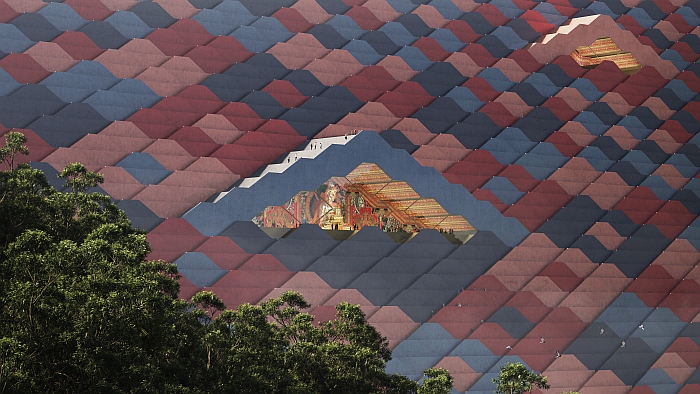
Photo Credit: BRICK VISUAL
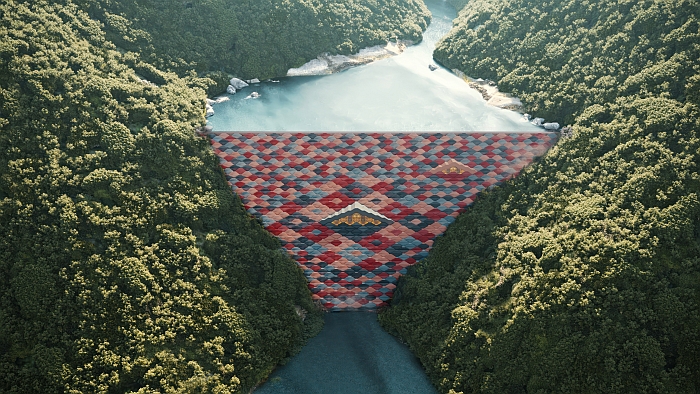
Photo Credit: BRICK VISUAL
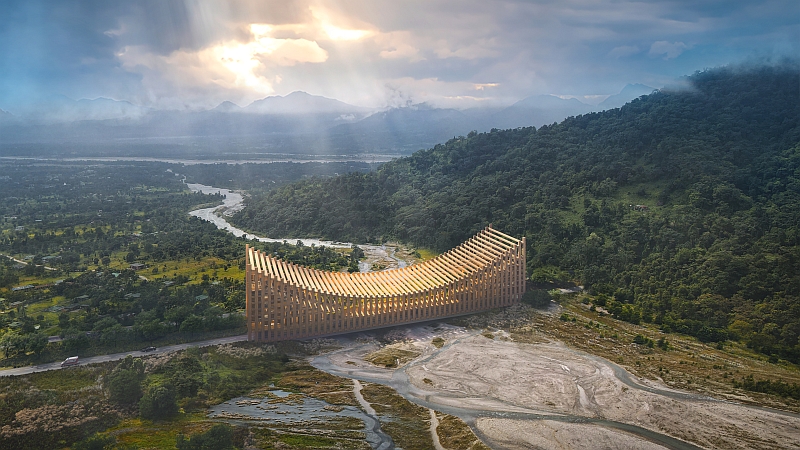
Photo Credit: HEALTHCARE EXTERIOR by ATCHAIN
“Inspired by the Bhutanese culture of respect and compassion for others and nature, the Mindfulness City is designed to enhance ecological systems, through an urban development that connects flora and fauna, as well as people and ideas. It becomes a testament of humanity's inseparable bond with nature, and a global example of how to build a sustainable human presence on Earth.” - Giulia Frittoli, Partner in Charge, BIG Landscape, BIG – Bjarke Ingels Group.
The neighborhoods within the city, which are divided by rivers, are tied together by three main mobility connections. Occasionally, these double as transportation infrastructure combined with civic and cultural facilities, creating a series of ‘inhabitable bridges’ which are tailored to each of the nine Gross National Happiness domains.
Each of the bridges house key destinations within the city: the new airport, a Vajrayana spiritual center which allows glimpses into the daily practices of the monks and masters of mindfulness; a healthcare center as a meeting between Eastern and Western medicine; a university that exposes its academic activities; a hydroponic and aquaponic greenhouse putting ancient farming practices and modern agro-science on display for the daily commuters; a cultural center to immerse and educate visitors about Bhutanese culture and customs; and a market adorned with Bhutanese textiles.
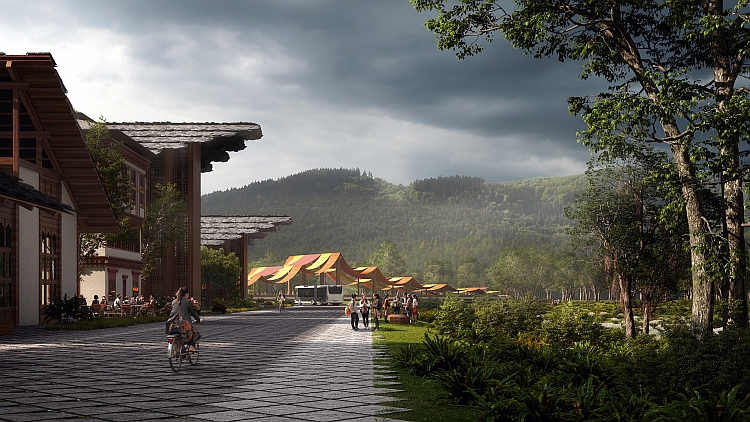
Photo Credit: BIG
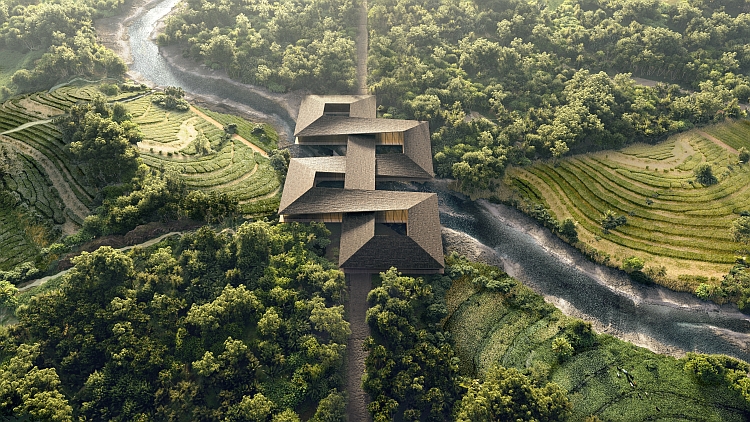
Photo Credit: BIG
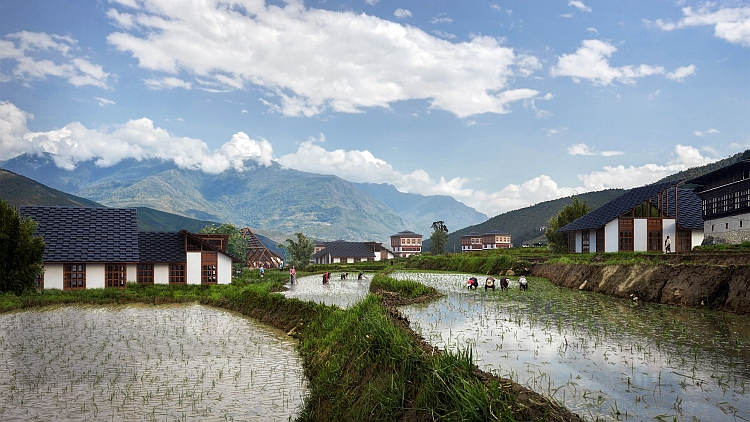
Photo Credit: BIG
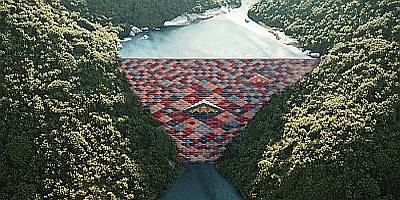
The final bridge, a hydroelectric dam, will be constructed on the city’s western border with a step-well retaining wall that offers viewpoints, staircases for meditative walks, and a temple. Visitors and pilgrims can ascend and descend along countless individual routes to the visitor center and temple nested on the face of the manmade cliff. The Sankosh Temple-Dam embodies in architectural form all the foundational elements of Gelephu: the harmonious coexistence of culture and nature, conceived as a hybrid child of Bhutan’s rich past heritage and its prosperous future legacy..
Intimate streets, paved with permeable pavers provide resilience by allowing stormwater to seep into the ground rather than the sewage system. Local materials - wood, stone, and bamboo - will be used in the new buildings, inspired by vernacular motifs such as rabsel, cornices, ornaments, and roofscapes.
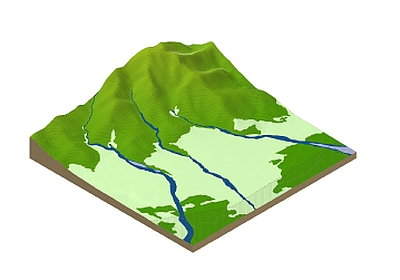
Photo Credit: BIG
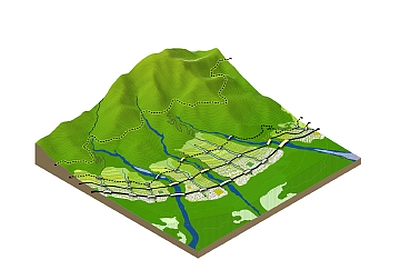
Photo Credit: BIG
|


 למרות הכל: ענף האדריכלות והעיצוב בתנועה
 רענון אביבי לבית: מבצעים והשקות לפסח
 מול הכנרת: בית שמרגיש כמו חופשה - אדריכלות ועיצוב: סטודיו 'רות ולבנה'
  צבע כאמירה של שמחה: השפה האופטימית של סטודיו טולה
 נשים שיודעות לבנות, לעצב ולהוביל
  קולקציות 2026 אביב
 דווקא עכשיו: צאו החוצה מאת שי דוד, מעצב נוף, כרכום
  הגוונים החדשים באקריל - בלורן
 מלון בוטיק פרטי: דירה בראשון לציון שעוצבה כפרק חיים חדש - מעצבת פנים שני חיוט
 לא רק עיצוב - יצירה מחדש של בית - מעצבת פנים גלית ששון
  הצד השמח של העיצוב: הבחירות שעושות חג בבית
 אהבה על שרטוטים: כשהשיפוץ הופך למבחן הזוגיות
 הוא רצה מודרני. היא חלמה כפרי. והמעצבות? מצאו דרך שלישית
  עולם המטבחים: כל מה שרצית לדעת
 ט״ו בשבט בבית – אדריכלות ועיצוב כדרך חיים המחוברת לטבע


