|
Project name: Chengdu Jiangxi River Bridge
Architect: Zaha Hadid Architects [ZHA]
Design: Patrik Schumacher
ZHA Project Directors: Charles Walker, Lei Zheng, Ed Gaskin
ZHA Project Architect: Han-Hsun Hsieh
ZHA Site Team: Lei Zheng, Han-Hsun Hsieh
ZHA Project Team: Jan Klaska, Lei Zheng, Marina Dimopoulou, Stratis Georgiou, Hung-Da Chien, Han-Hsun Hsieh, Martha Masli, Stella Dourtmes, Charles Walker, Ed Gaskin
Construction and Development Executive Architect: China Southwest Architectural Design & Research Institute
Local Architect: China Southwest Architectural
הגשר הראשון של צ'נגדו מערב מעל נהר טווג'יאנג במחוז סצ'ואן בסין, בתכנון משרד אדריכלים זאהה חדיד, הוא גשר כביש לאופניים והולכי רגל מעל נהר מתפתל; מה שמאפשר לכביש הקו המערבי להפוך לקטע המערבי של כביש הטבעת של נמל התעופה ניו טאון ומסלול האופניים. מכיוון שקשתות מספקות את מבנה הגשרים היעיל ביותר לטווחים שבין 120-250 מטר, הגשר הסימטרי הזה מורכב משתי קשתות פלדה ראשוניות המתנשאות בצד של סיפון הכביש.
As they rise, the arches lean together to touch tangentially at their crown, stabilising the structure from lateral wind forces. The dynamic curvature of the bridge’s supporting piers and abutments taper into its primary arches and road deck, defining a sculptural landmark within Chengdu’s transport infrastructure.
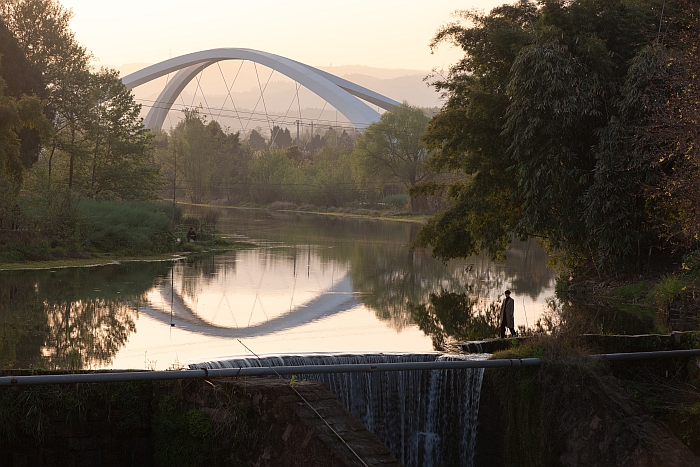
Photo Credit: Liang Xue
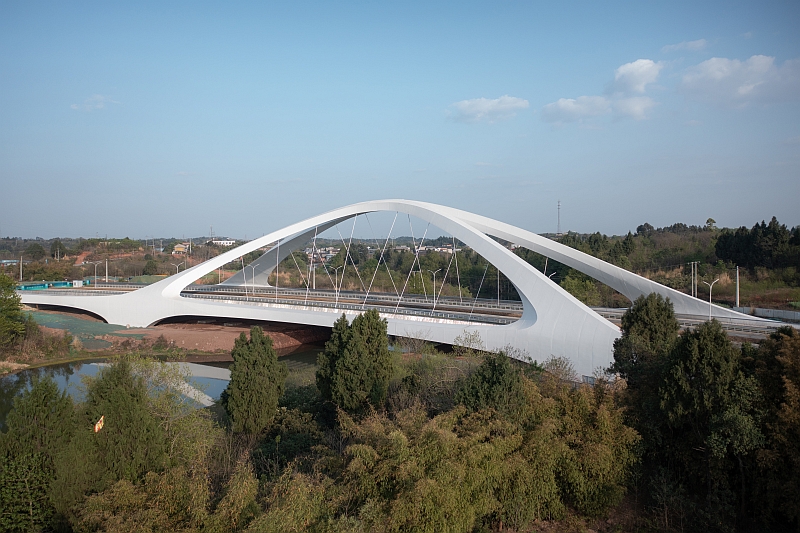
Photo Credit: Liang Xue
Commissioned to build the bridge following the 2019 design competition, Zaha HadidArchitects [ZHA] used structural analysis software on the design’s digital model. Examining all material self-weight, superimposed dead load and traffic live loading, as well as environmental considerations of wind and temperature,this analysis ensured the structure and foundations have been designed to exceed the standards required for once-in-200-year weather events.With a height to span ratio of approximately 1:6, the bridge’s arches rise to 30 metres and are tied together at their base by longitudinal box girders that run along the edge of the road deck. These ties resist the outward horizontal thrust of each arch and significantly reduce the horizontal loads on the bridge’s foundations.Concrete abutments at either end of the bridge incorporate connectors linking the road deck to the West Line Road’s surface.With no foundations positioned in the Jiangxi River, intermediate piers are located beneath the springing points of the arches on each riverbank.The bridge’s bored piles and abutments were constructed using conventional in-situ reinforced concrete techniques.
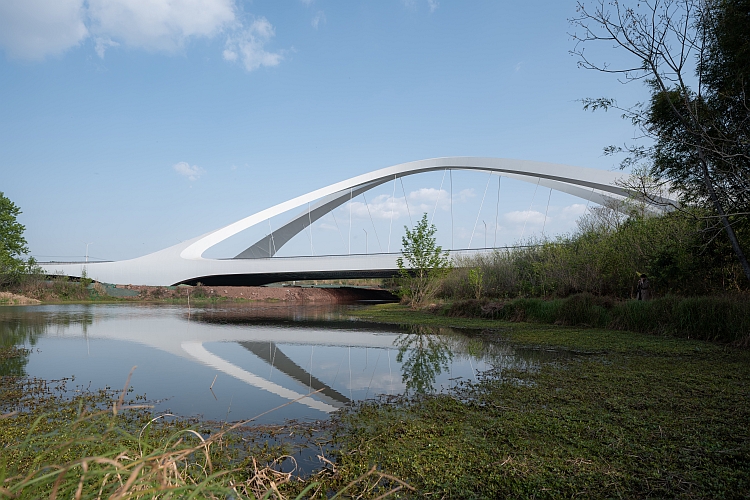
Photo Credit: Liang Xue
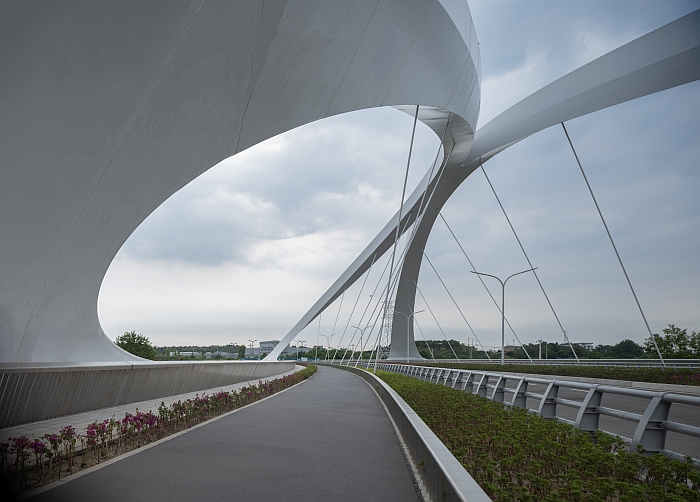
Photo Credit: Liang Xue
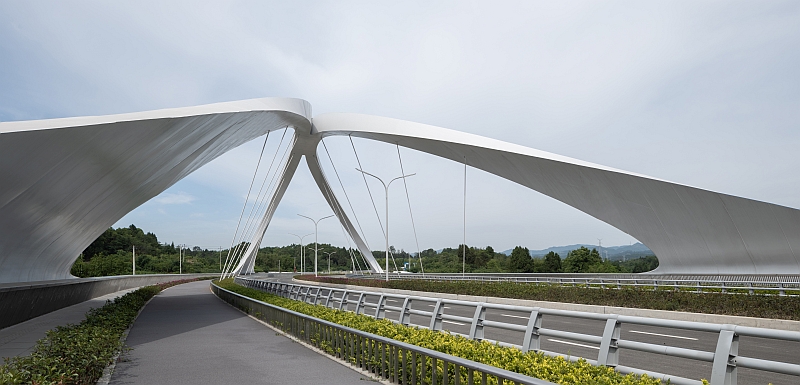
Photo Credit: Liang Xue
The steel box sections of each arch were prefabricated in optimal dimensions for transportation and assembly on site. The edge box girder sections within the road deck include the cable anchorages. These sections were also prefabricated and delivered in sections to be spliced together with on-site welding.The bridge’s prefabricated plate cross girders were delivered to the site and connected to the edge girders by a bolted cover plate splice connection.The concrete road deck has been constructed from precast panels fixed to the cross girders by in-situ concrete stich pours. Mobile cranes lifted all prefabricatedsteelwork and precast concrete elements within the .bridge’s short assembly schedule
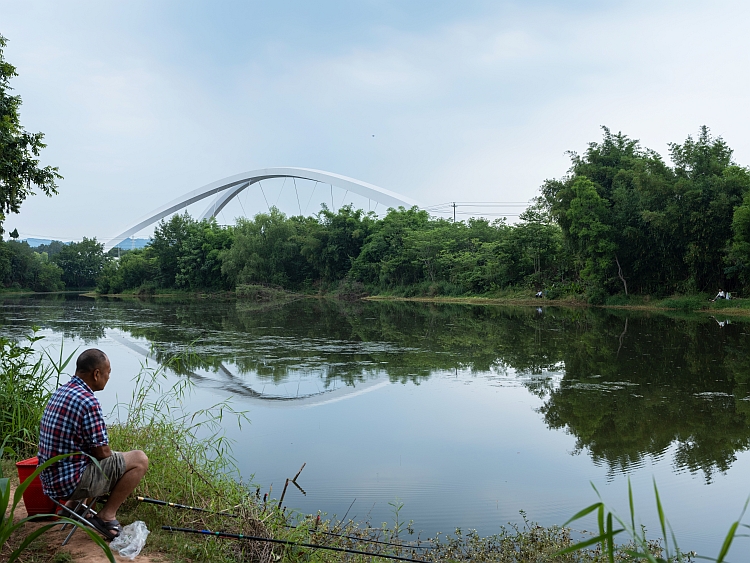
Photo Credit: Liang Xue
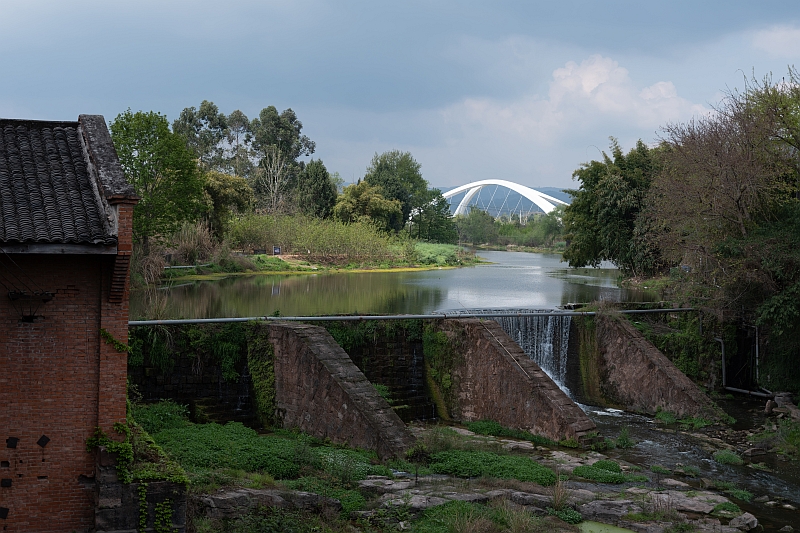
Photo Credit: Arch Exist
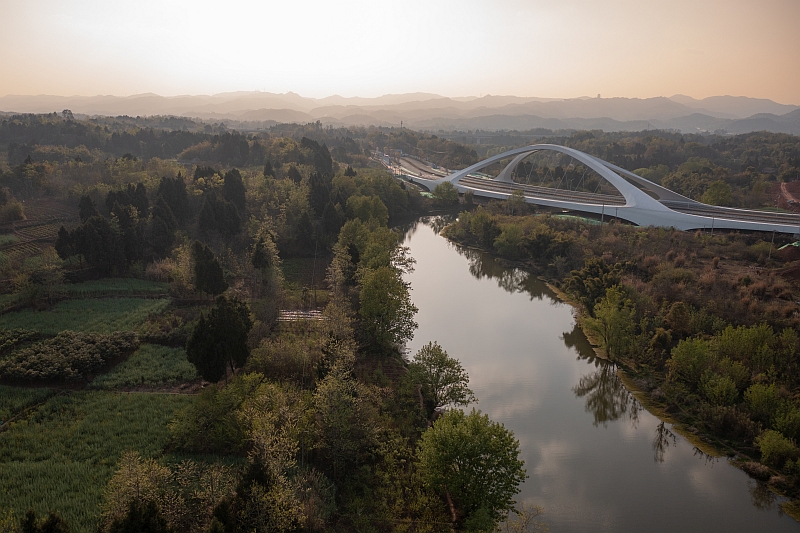
Photo Credit: Arch Exist
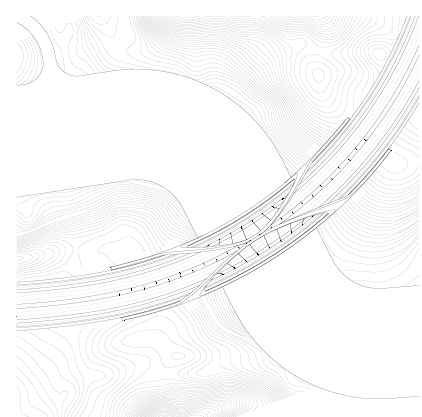
Photo Credit: ZHA
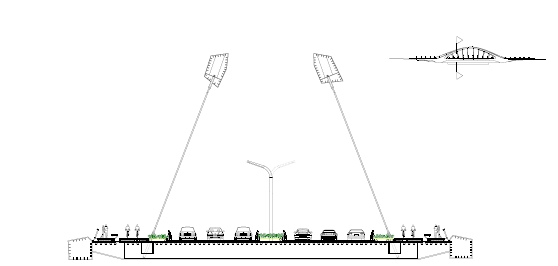
Photo Credit: ZHA
|


 למרות הכל: ענף האדריכלות והעיצוב בתנועה
 רענון אביבי לבית: מבצעים והשקות לפסח
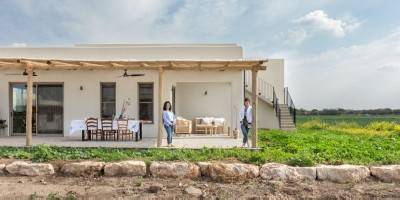 מול הכנרת: בית שמרגיש כמו חופשה - אדריכלות ועיצוב: סטודיו 'רות ולבנה'
 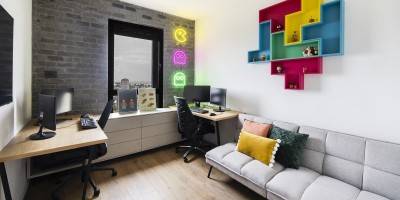 צבע כאמירה של שמחה: השפה האופטימית של סטודיו טולה
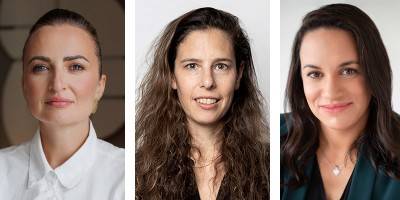 נשים שיודעות לבנות, לעצב ולהוביל
  קולקציות 2026 אביב
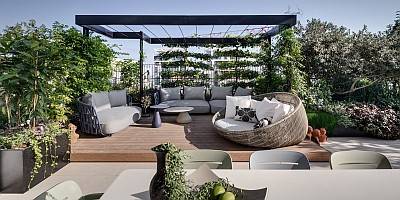 דווקא עכשיו: צאו החוצה מאת שי דוד, מעצב נוף, כרכום
  הגוונים החדשים באקריל - בלורן
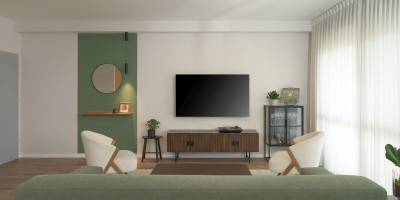 מלון בוטיק פרטי: דירה בראשון לציון שעוצבה כפרק חיים חדש - מעצבת פנים שני חיוט
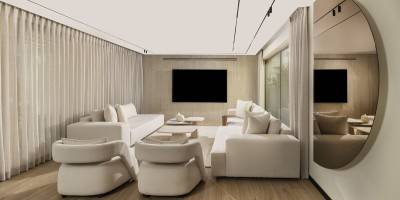 לא רק עיצוב - יצירה מחדש של בית - מעצבת פנים גלית ששון
  הצד השמח של העיצוב: הבחירות שעושות חג בבית
 אהבה על שרטוטים: כשהשיפוץ הופך למבחן הזוגיות
 הוא רצה מודרני. היא חלמה כפרי. והמעצבות? מצאו דרך שלישית
  עולם המטבחים: כל מה שרצית לדעת
 ט״ו בשבט בבית – אדריכלות ועיצוב כדרך חיים המחוברת לטבע


