|
Project : Yangliping Performing Arts Center
Location: Dali, Yunnan, China
Completion Year: 2020
Area: 8,155sqm
Client: Dali Yang Liping Grand Theatre Co., LTD
Architecture, Interior and Landscape Design: Studio Zhu-Pei
Design Principal: Zhu Pei
Lead Designer: Edwin Lam, Shuhei Nakamura
Project in Charge: Virginia Melnyk
Design Team: You Changchen, Han Mo, He Fan, Liu Ling, Wu Zhigang, Gary Poon, Ke Jun, Wang Peng, Wang Zheng, Ding Xinyue, Feng Chaoying, Chen Yida, Han Yi, Lin Wendi, Du Yao
Photography: Jin Weiqi, Zhang Yao
פרויקט מרכז אומנויות הבמה Yangliping ממוקם בין שרשרת ההרים קאנג המגיעה לגובה של 4,000 מטרים, לבין אגם Erhai שאורכו 40 קילומטרים, העיר דאלי, תחנה משמעותית של דרך התה והסוסים העתיקה, היא יעד תיירותי חשוב. העיר העתיקה השתמרה במידה רבה ועדיין נותרו בה כמה שרידים מחומת העיר ההיסטורית עם מגדלי שער. התוכניות במרכז לאמנויות הבמה Yangliping הן: תיאטרון; אַמְפִיתֵאַטרוֹן; אולם חזרות / אולם רב פונקציות; קפה/ תה/ מסעדה; חנות עיצוב; מִשׂרָד; אזור טעינה ופריקה.

Yangliping; Southeast aerial view, Credit Photo: Jin Weiqi

Yangliping; Roofscape, Credit Photo: Jin Weiqi
The professional dancer Yang Liping is a star in China. She has created new interpretations of the folk dances from the Yunnan region and combined elements of these with contemporary dance forms. Yang herself belongs to the Bai-people ethnic minority, and comes from Dali where she commissioned a new performing arts centre just to the northeast of the historic old town.

Yangliping; West elevation, Credit Photo: Jin Weiqi

Yangliping; View from outdoor theater to roof ramp, Credit Photo: Jin Weiqi
Inspired by the powerful surrounding landscape, Zhu Pei searched for landscape related references to solve the architectonic challenges for the Performing Arts Center. A widely cantilevered rectangular roof spans across a built landscape of free-flowing indoor and outdoor spaces, some of which can be combined as an interacting spatial system. As with mountains and valleys, the strong shape of the roof reflects the more organic landscape below and points to the old Chinese principle of yin and yang, where two opposites form a whole together. Formally expressed as organic-shaped hills, the partly sunken spaces become like a natural garden landscape, promising a high experiential quality, which continues into the public theatre inside.

Yangliping; Outdoor theater, Credit Photo: Jin Weiqi

Yangliping; Teahouser, Credit Photo: Jin Weiqi

Yangliping; View from outdoor theater to roof ramp, Credit Photo: Jin Weiqi

Yangliping; Roofscape and outdoor theater, Credit Photo: Jin Weiqi

Yangliping; Wooden roof and outdoor theater, Credit Photo: Jin Weiqi

Yangliping; Conceptual model, Credit Photo: Studio Zhu

Yangliping; Study model, Credit Photo: Studio Zhu

Yangliping; Section, Credit Photo: Studio Zhu
|


 למרות הכל: ענף האדריכלות והעיצוב בתנועה
 רענון אביבי לבית: מבצעים והשקות לפסח
 מול הכנרת: בית שמרגיש כמו חופשה - אדריכלות ועיצוב: סטודיו 'רות ולבנה'
  צבע כאמירה של שמחה: השפה האופטימית של סטודיו טולה
 נשים שיודעות לבנות, לעצב ולהוביל
  קולקציות 2026 אביב
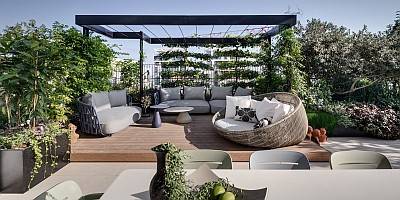 דווקא עכשיו: צאו החוצה מאת שי דוד, מעצב נוף, כרכום
  הגוונים החדשים באקריל - בלורן
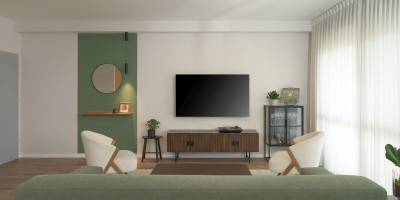 מלון בוטיק פרטי: דירה בראשון לציון שעוצבה כפרק חיים חדש - מעצבת פנים שני חיוט
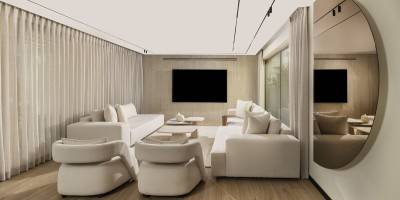 לא רק עיצוב - יצירה מחדש של בית - מעצבת פנים גלית ששון
  הצד השמח של העיצוב: הבחירות שעושות חג בבית
 אהבה על שרטוטים: כשהשיפוץ הופך למבחן הזוגיות
 הוא רצה מודרני. היא חלמה כפרי. והמעצבות? מצאו דרך שלישית
  עולם המטבחים: כל מה שרצית לדעת
 ט״ו בשבט בבית – אדריכלות ועיצוב כדרך חיים המחוברת לטבע


