|
 |
landmark east ideas competition |
|
|
|
Type:
|
competition
|
Registration Deadline:
|
18/02/04
|
Submission Deadline:
|
18/02/04
|
Open to:
|
prof. and students
|
Entry Fee:
|
£20, £7.50 |
|
Awards: |
maximum total value of £250,000
|
Jury:
|
anthea case chair
david marlow chief executive, eeda
yasmin shariff chair, landmark east steering group
bill macnaught head of cultural development, gateshead council
alex lifschutz director, lifschutz davidson
tim bishop head of regional and local programmes bbc
simon loftus chair, business in the community leadership group
prof sir david king chief scientific adviser to the government
helaine blumenfeld artist
|
landmark east ideas competition
competition brief
landmark n. [1] conspicuous object in district etc., [2] object or event
marking turning point in history
a major international competition calling for visionary ideas for a
landmark or series of landmarks in the east of england, to put the region
on the map, not just nationally but internationally
introduction
the east of england development agency [eeda] is taking the lead role in an
ambitious project landmark east to help create a major landmark in the
east of england. something that could become a sustainable icon and put the
region on the map, not just nationally but internationally; a major project
to inspire a sense of pride for those who live in the region and showcase
more of its assets for those who visit.
eeda's landmark east ideas competition is open to everyone with the ability
to develop and deliver a landmark, from artists and sculptors to engineers,
architects, entrepreneurs, local authorities, local partnerships and
students. it aims to generate ideas and designs for a major landmark or
landmarks that will attract significant funding and stimulate long term
economic benefit for the region.
putting landmark east in context
eeda is the regional development agency for the east of england. it takes
the strategic lead in promoting the sustainable economic development of the
region, which comprises bedfordshire, cambridgeshire, essex, hertfordshire,
norfolk and suffolk.
its vision is:
'to make the east of england a world class economy, renowned for its
knowledge base, the creativity and enterprise of its people and the quality
of life of all who live and work here.'
underpinning this is an aim to secure a place in europe¹s top 20 most
prosperous regions. to achieve this, the regional economic strategy focuses
on six major themes:
competitive businesses
creativity, innovation, enterprise
invest in success
regeneration plus
identity and international profile
leading edge infrastructure and high quality environment
landmark east connects with most of these themes, with particular links to
investing in success, regeneration, high quality environment and identity /
international profile.
research commissioned by eeda found that there was a lack of identity or
sense of belonging nothing anchoring people to the region as a whole. the
landmark east initiative aims to inspire a sense of pride and unity in the
region. given the disparity in the east of england, it is acknowledged that
this may be more achievable through a series of landmarks rather than one.
or perhaps through one landmark as a focal point with connections or
satellites in different parts of the region.
about the east of england
geography and demography
the east of england stretches from the fringes of greater london to the
norfolk and suffolk coasts. it covers some 19,000 square kilometres, has a
population of almost 5.5 million and is one of the fastest growing regions
in the uk.
the region boasts a rich heritage ranging from small market towns, historic
and university cities and ports and seaside resorts to beautiful villages,
the finest collection of cathedrals and churches in england and some of the
country¹s most fertile agricultural land. it is also home to key industrial
and commercial centres, silicon fen and many global leaders in technology.
london exerts a significant influence on the economy of the southern
counties of the region whilst agriculture still has a considerable
influence over the rural economy and communities further north. the
landscape is mainly low-lying and fertile, creating distinctive lowland
landscapes that are vulnerable to climate change.
identity and diversity
the region is extremely diverse. whilst such diversity and local
distinctiveness are strengths they result in a region lacking unity and
identity which presents both challenge and opportunity in the context of a
landmark for the region.
competition promoter/management
the promoter is the east of england development agency [eeda]. the
competition is being managed by the royal institute of british architects'
[riba] competitions office.
what we're looking for
competitors are asked to submit an idea that builds on one or more of the
following themes that represent the region¹s key assets and opportunities:
environment: coastline, fens, space, seaside, waterways
renewable energy: wind power, water, solar
heritage eg englishness, market towns, historic achievements/houses,
argriculture
regeneration
innovation
art, culture and sport: looking back and into the future
it should be noted that there is no assumption that the landmark[s] will be
a building. it could be anything from a piece of music to a virtual project
drawing on new technology. the competition is open to a broad audience to
ensure the widest range of ideas and responses to our brief.
the funding and the site
the competition is an open design competition with no sites or budget
specified and no commitment to build. eeda will support the early stage
development of up to three projects by commissioning feasibility studies
but the remainder of the necessary funds will need to be raised elsewhere.
evaluation criteria
designs / ideas should be:
sustainable
of good quality
unique and / or distinctive
of the region
something to be proud of
something to complement / enhance the environment and quality of life of
those around it.
presentation and content
submissions should be presented as follows:
a maximum of two a1 lightweight boards or equivalent, to include sketches
or photography with supporting notes, indication of proposed site [if
specified] and any other information to describe the scheme.
in addition, you should include in a4 format a supplementary text report of
no more than 1500 words to include the following information:
a short [but anonymous] statement to explain the make-up of the team
relevance for region
proposed approach to the project eg timescale, partnership working
budget plan: this is not expected to be detailed but should include an
estimate of early stage development costs. it should also demonstrate
outline thoughts with regard to longer term funding for the project but
this will be explore further at interviews.
competitors selected for interview will be required to provide high
resolution digital images of their designs.
anonymity
designs and accompanying reports shall be sent without name, motto or
distinguishing mark of any kind, accompanied by the enclosed 'declaration
form' placed in an envelope marked 'declaration of authorship'. the riba
competitions office will place a number on each drawing and on the report
and envelope. the envelopes' will only be opened once the judging panel has
agreed the shortlist for stage 2.
models will not be accepted.
competition structure
the competition will be judged in two stages:
stage 1: the first stage will seek preliminary design ideas to be assessed
anonymously by the judging panel. a maximum of 12 entries will be
short-listed. these short-listed entries will be the subject of public
consultation which will be electronically led.
stage 2: short-listed competitors will be invited to interview on
1 april 2004 to expand upon ideas submitted at stage 1. a maximum of three
people per entry should attend the interview.
who is eligible?
the competition is open to anyone with the ability to develop and deliver a
landmark idea from artists and sculptors to engineers, architects,
entrepreneurs, local authorities, local partnerships and students.
collaboration between disciplines is actively encouraged.
no member or employee of the promoting body nor the judging panel or
steering group shall be eligible to compete or assist a competitor. if a
member or employee of any of these groups has [or subsequently develops]
any involvement in a competing project, they must declare their interest
and withdraw from direct involvement in landmark east and or the ideas
competition.
budget
a budget is not specified however competitors should ensure that costs are
realistic in the context of envisaged funding sources. competitors will be
expected to give due consideration to funding sources for the duration of
the project to completion, including ongoing running and maintenance costs.
tible
the tible, which may be subject to variation, is:
competition brief available 21 october 2003
deadline for written questions 8 december 2003
submission of designs 18 february 2004
stage 1 assessment 24 february 2004
stage 2 interviews 1 april 2004
announce winner[s] early april 2004
prize
the promoter will choose up to three winners and commission feasibility
studies to a maximum total value of £250,000. further funding may be
available subject to the outcome of the feasibility studies. the promoter
will reimburse all reasonable travel expenses for short-listed competitors
to attend interview.
questions
questions on the brief may be addressed in writing to the riba competitions
office, to arrive on or before 8 december 2003. replies to all questions
will be appear on the riba website.
registration fees
£20 for all competitors except students at £7.50. a cheque for this amount
should be submitted with the design entry. the registration fee is
inclusive of vat. vat receipts are available on request.
copyright
the ownership of the copyright in the work of all competitors will be in
accordance with the copyright and patent act 1988 which states that
copyright of a design rests with the author.
publicity
the promoter or the riba may publicise illustrations / visuals of any
design or idea, either separately or together with other designs. the
promoter or the riba will feature visuals [where applicable] of the 12
short-listed entries on the competition website after stage 1 assessment.
if applicable, visuals should be supplied in high resolution jpeg format.
judging panel
the judging panel is made up as follows:
anthea case chair
david marlow chief executive, eeda
yasmin shariff chair, landmark east steering group
bill macnaught head of cultural development, gateshead council
alex lifschutz director, lifschutz davidson
tim bishop head of regional and local programmes bbc
simon loftus chair, business in the community leadership group
prof sir david king chief scientific adviser to the government
helaine blumenfeld artist
submission address
designs should be submitted by 2 pm on 18 february 2004 to the following
address:
riba eastern region, the studio, high street, great shelford, cambridge cb2
5eg
enquiries
the competition is being administered by the riba competitions office. any
enquiries relating to the general conditions of this competition should be
directed to:
riba competitions office
tel: + 44 [0] 113 234 1335
fax: + 44 [0] 113 246 0744
email: [email protected]
information sources:
www.eeda.org.uk
www.eastofenglandobservatory.org.uk
www.eetb.org.uk
www.livingeast.org.uk
www.landmarkeast.co.uk
|
|
|
|
|
|
|
|
|


 למרות הכל: ענף האדריכלות והעיצוב בתנועה
 רענון אביבי לבית: מבצעים והשקות לפסח
 מול הכנרת: בית שמרגיש כמו חופשה - אדריכלות ועיצוב: סטודיו 'רות ולבנה'
  צבע כאמירה של שמחה: השפה האופטימית של סטודיו טולה
 נשים שיודעות לבנות, לעצב ולהוביל
  קולקציות 2026 אביב
 דווקא עכשיו: צאו החוצה מאת שי דוד, מעצב נוף, כרכום
  הגוונים החדשים באקריל - בלורן
 מלון בוטיק פרטי: דירה בראשון לציון שעוצבה כפרק חיים חדש - מעצבת פנים שני חיוט
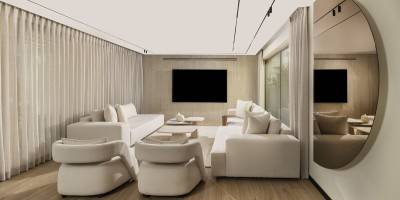 לא רק עיצוב - יצירה מחדש של בית - מעצבת פנים גלית ששון
  הצד השמח של העיצוב: הבחירות שעושות חג בבית
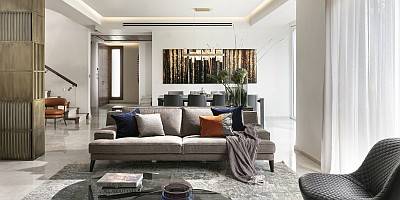 אהבה על שרטוטים: כשהשיפוץ הופך למבחן הזוגיות
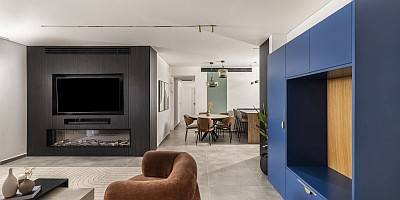 הוא רצה מודרני. היא חלמה כפרי. והמעצבות? מצאו דרך שלישית
  עולם המטבחים: כל מה שרצית לדעת
 ט״ו בשבט בבית – אדריכלות ועיצוב כדרך חיים המחוברת לטבע