|
 |
international housing competition in catalonia
400,000 homes |
|
|
|
Type:
|
Open
|
Registration Deadline:
|
4/2/2004
|
Submission Deadline:
|
9/3/2004
|
Open to:
|
Professionals and students
|
Entry Fee:
|
60 EURO / 30 EURO |
|
Awards: |
SITE A,B,C:
1st prize 8,000 €
2nd prize 3,000 €
3rd prize 1,500 €
Students:
SITE A,B,C: 1st prize 3,000 €
2nd prize Special
mention
3rd prize Special
mention
|
Jury:
|
president:
dean of coac mr. jesús alonso
members of the jury
mr stan allen [usa]
mr alejandro zaera polo [sp-uk]
mr ryue nizishawa [jp]
-barcelona city council representative: mr josep anton acebillo
-salt town council representative: nuria díaz
-amposta town council representative: jaume castellví
-coac representative
-quaderns representative: mr. lluís ortega
secretary: mr. xavier osarte
|
http://400000.coac.net
THE COMPETITION
Forecasts for growth over the next twenty years calculate the number of new
homes that will be needed in the metropolitan region of Barcelona to be 400,000.
This increase in demand is due mainly to newly independent inhabitants and the
growing immigration wave. The large number of homes and the impact they will
have on the territory make this the major problem facing the country in terms of
architectural interventions.
We believe that this challenge calls for reflection on the part of architects and that,
as a framework, the formula of an international competition is the most
appropriate.
There are two main motivations leading us to organise this competition. Firstly, our
responsibility, as professionals, to contribute ideas and generate a responsible
debate about models of growth, and also to offer public authorities and
governments tools and arguments with which to regulate this dynamic, over and
above party interests.
And secondly, we want to take this debate into the international realm, to enable
professionals the world over to contribute their experience and viewpoints in an
open, participatory, propositional and above all enlightening way.
THE QUESTION
The competition is conceived on a territorial scale. We propose three locations
which, due to their geographical particularities and programmatic requirements,
present very different scenarios. By proposing three areas, we aim to encourage
reflection beyond the strictly practical solution, enabling the competition to address
real problems, raising questions about growth, building density, the sustainability of
a very limited territory, etc.
The question of the competition aims to transcend styles and ways of proceeding
that are no longer adequate today for facing the complexity of growth on this scale.
Historically, housing problems and the repercussions on public space of growth
have been addressed typologically [even before the word 'type’ came into use]. It
has also been envisioned in terms of optimisation, both functional and constructive.
Urban solutions have been proposed that are conceived on the basis of addition —
that is, ideal units were added together to construct composite units, and these
composite units were used to construct fabrics on a larger scale. These procedures,
though they are still valid and form part of the project, are now insufficient when it
comes to responding to the new problems arising in association with growth of the
kind we are experiencing and in a field such as ours. We are more interested in
addressing the issue of what housing does than what housing should be like.
Rethinking collective space by transcending the private-public dichotomy; modelling
the empty and the built space; incorporating tools traditionally associated with
landscape architecture in order to deal with interventions that involve this kind of
problem; understanding growth as a more complex and powerful movement than
the simple reproduction or mechanical accumulation of units; developing models of
growth that transcend the eternal dichotomy of repetition-variation [which tends to
boil down to an indiscriminate accumulation of units with the addition of decorative
monuments intended to introduce meaning here and there in a space that comes
into being before it is assigned a precise classification]; discussing the potential of
local elements in relation to more global strategies and reflections; introducing new
family and professional models; challenging excessively hygienist or bucolic
models; incorporating density as a variable that is not necessarily negative, with a
view to preserving the territory and intensifying urban realities; understanding
sustainability as the substance, not as cosmetic legitimisation...
All of these questions seem to us to be of interest. They are questions that call for
one or many answers from competition entrants. We are sure that the resulting
proposals will be based on very differing interests. Some will be addressed in
typological terms, others on the basis of a concern with the prototype, reflection on
technology or strategies for occupying a place, and so on. Together, they should
form a constellation that generates the critical mass which, we hope, will provide
the foundation for decisions affecting the future of our cities.
http://400000.coac.net
|
|
|
|
|
|
|
|
|


 למרות הכל: ענף האדריכלות והעיצוב בתנועה
 רענון אביבי לבית: מבצעים והשקות לפסח
 מול הכנרת: בית שמרגיש כמו חופשה - אדריכלות ועיצוב: סטודיו 'רות ולבנה'
  צבע כאמירה של שמחה: השפה האופטימית של סטודיו טולה
 נשים שיודעות לבנות, לעצב ולהוביל
 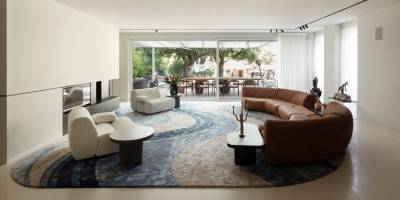 קולקציות 2026 אביב
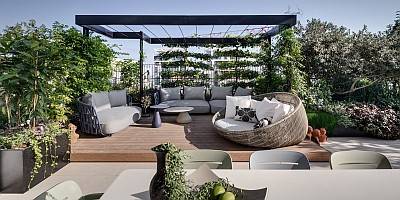 דווקא עכשיו: צאו החוצה מאת שי דוד, מעצב נוף, כרכום
  הגוונים החדשים באקריל - בלורן
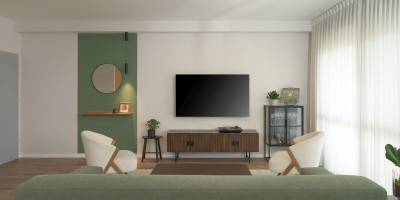 מלון בוטיק פרטי: דירה בראשון לציון שעוצבה כפרק חיים חדש - מעצבת פנים שני חיוט
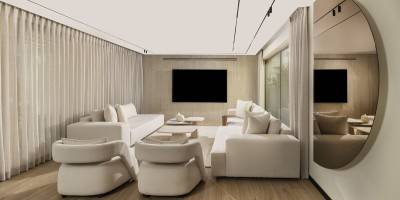 לא רק עיצוב - יצירה מחדש של בית - מעצבת פנים גלית ששון
 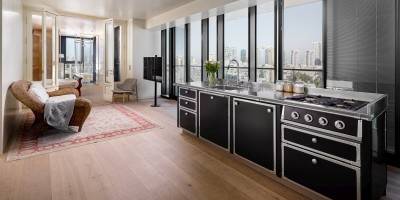 הצד השמח של העיצוב: הבחירות שעושות חג בבית
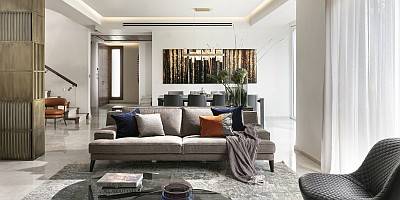 אהבה על שרטוטים: כשהשיפוץ הופך למבחן הזוגיות
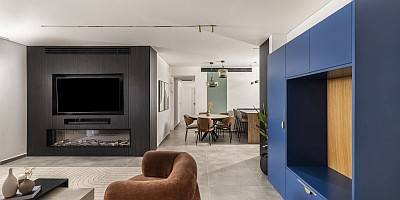 הוא רצה מודרני. היא חלמה כפרי. והמעצבות? מצאו דרך שלישית
 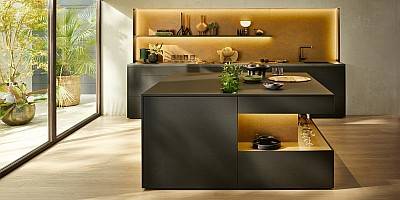 עולם המטבחים: כל מה שרצית לדעת
 ט״ו בשבט בבית – אדריכלות ועיצוב כדרך חיים המחוברת לטבע