קונטקסט
שכונת רוממה נמצאת בסמוך לכניסה המערבית לירושלים. השכונה תוכננה בתחילת המאה העשרים ע"י סר פטריק גדס תחת המנדט הבריטי במודל של עיר גנים. כיום במרכזה של השכונה נשאר אזור היסטורי שבטבורו כיכר פורמלית על שם גנרל אלנבי.
כיכר זו משרתת את תושבי השכונה, ברובם המכריע חרדים, כמוקד של פעילות ציבורית, זהות שכונתית וכשטח הציבורי הפתוח היחיד בשכונה.
בדופן המערבית של הכיכר שוכנת התחנה המרכזית החדשה של ירושלים המפנה את גבה לכיכר זו ולשכונה בכלל. התחנה המרכזית היא הקצה הצפוני של קריית האומה התחומה במוזיאון ישראל בדרומה, דרך הכנסת, קריית הממשלה, בית המשפט העליון ובניני האומה. מתחם זה מתאפיין בתכנון מודרניסטי בקנה מידה גדול מאוד, ובשטחים פתוחים נרחבים.
הרחוב המקביל לכיכר אלנבי מכיוון דרום, רחוב יפו, הוא ציר היסטורי המהווה זיכרון לדרך בין יפו לירושלים. כיום רחוב זה משמש כציר תנועה מרכזי לתוך העיר על מוקדיה: התחנה המרכזית, שוק מחנה יהודה, מדרחוב בן יהודה, כיכר ציון, עיריית ירושלים ועד לשער יפו שבחומת העיר העתיקה. רחוב זה משנה בעשורים האחרונים את פניו. החלו לצמוח לאורכו ובמיוחד באזור המערבי שלו מגדלים גבוהים, שהם בגדר תופעה חדשה בירושלים. כמו כן, הרכבת הקלה המתוכננת בירושלים תעבור בו כציר תנועה ראשי המקשר בין מזרח למערב.
ממזרח לכיכר אלנבי נמשכת שכונת רוממה בבינוי שמתאפיין בשיכוני מגורים ומסתיים בקומפלקס רשות השידור.
מצפון לכיכר, מעבר למתחם ההיסטורי ישנו אזור של תעשייה קלה הנשען על רחוב ירמיהו (ההופך לרחוב בר-אילן בהמשכו) ובו מבנים תעשייתיים גדולים כגון בניין ג'רוזלם פוסט, אמקור לשעבר ומעבדות רפא.
מגרש
המגרש שבחרנו גובל בכיכר אלנבי ובשיכון מגורים בן ארבע קומות בחלקו הצפוני. ברחוב יפו ובמרקם מגורים ומסחר בן שלוש-חמש קומות מתחילת המאה העשרים בחלקו הדרומי. במגדל המשרדים שערי העיר בן אחד עשר קומות בחלקו המזרחי ובגב התחנה המרכזית בחלקו המערבי.
המגרש נמצא בפער בין התופעות הללו ואנו ראינו בפער זה הזדמנות לפרש מחדש את מערכות היחסים האנושיות בין האוכלוסייה המתגוררת בשכונה והציבור הרחב ומערכות היחסים המרחביות בין הרקמה הפנימית העדינה וקנה המידה המונומנטאלי של רחוב יפו כתופעה אורבנית כלל עירונית.
פרוגרמה
בעקבות ניתוח ותיעוד השכונה על תושביה, גבולותיה ומרכיביה החלטנו לתת לאוכלוסיית הנשים החרדיות בשכונה את ההזדמנות לביטוי של תפקידן וחשיבותן כגורם מקשר בין עולם הגברים הלומדים והעולם הגשמי בו הן פועלות כמפרנסות העיקריות של משפחותיהן.
על כן, הפונקציה המרכזית בה בחרנו למגרש היא ישיבה תורנית-מקצועית לנשים, בה הן יוכלו להעמיק את לימודיהן הרוחניים במקביל ללימודים מקצועיים כך שתוכלנה לספק את צרכיהן הרוחניים והגשמיים כאחד.
כדי לתת להן הזדמנות להתפתחות מקצועית, שאפנו לספק לתלמידות הישיבה חללי מסחר וסדנאות תעסוקה בהם הן תוכלנה למכור את תוצרתן וחללי מסחר להשכרה שיתמכו כלכלית בקיומו של הפרוייקט. כמו גם גני ילדים על מנת שתוכלנה לפנות את זמנן ומרצן ללימודים ולתעסוקה.
מבנה הישיבה עצמו מכיל כיתות לימוד, מעבדות, חדר הרצאות, ספריה המשמשת גם כאולם הישיבה ואזור אדמיניסטרטיבי.
מבנה
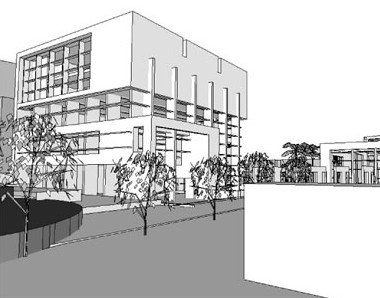
את הפרוגרמה חילקנו לשלושה מוקדים: ישיבה, אזור מסחרי, וגני ילדים. שלושת המוקדים הללו מחוברים באמצעות ארקדה כפולה: חיצונית עליונה בגובה מפלס כיכר אלנבי. ופנימית תחתונה בגובה מפלס יפו הנמוך ממפלס הכיכר בגובה של שתי קומות. הארקדה תוחמת חצר פתוחה במפלס רחוב יפו המחולקת לשלושה מוקדים כמצוין לעיל.
לכל פונקציה מרכזית תכננו מבנה אחד המבוסס על השלד הקונסטרוקטיבי של הארקדה המחברת.
הכניסה לפרוייקט נעשית משתי נקודות עיקריות: הראשונה מרחוב יפו, ככניסה המשמשת את הציבור הרחב, ובסמוך אליה החצר המסחרית. מכיכר אלנבי ישנה כניסה נוספת לפרוייקט, עליה סמוכים מבנה הישיבה וגני הילדים. כניסה זו משרתת את תושבי השכונה ומייצרת דופן חדשה לכיכר אלנבי תוך הכרה במרכזיותה של כיכר זו בחייה של השכונה.
השפה האדריכלית של הפרוייקט נשענת על מוסכמות אדריכליות מקומיות כפי שניתחנו אותן כמו גם על שלד פורמלי שמבקש להיות מצע להתפתחות ופרשנות מרחבית חדשה הנסמכת על קריאתנו של התכנון ההיסטורי.
Context
Romema is a quarter located next to the western and major entry to Jerusalem. Sir Patrick Geddes (1854-1932), a Scottish urban planner and biologist, planned this neighborhood in the beginning of the 20th century as a garden city under the British mandate over Palestine. Today, in the center of the neighborhood remains an historical urban texture from that era with a formal square at its center.
This square is dedicated to the British General, Sir Edmund Henry Hynman Allenby (1861-1936), who conquered Jerusalem from the Turks in 1917 in the course of WWI. It serves the residents of the neighborhood as a focal point of their public activity, local identity and as the only outdoor public area inside the quarter. The majority of the residents inhabiting the quarter nowadays are ultra orthodox Jews (Haredim).
Leaning against the western edge of the square is the Jerusalem Central Bus Station, which turns its back to the square and the quarter in general. The Central Bus Station is the northern edge of the national district which begins in the south with the Israel Museum, the Hebrew University campus and continues with the Knesset (Israeli Parliament), the governmental offices, The Israel Supreme Court and the Israel Convention Center. This area is planned in a modernist fashion using a large scale and vast open public areas.
Jaffa Street runs parallel to the south of the square. It is an historical road dating to biblical times between Jerusalem and Jaffa. Today, it functions as one of the major transportation routes of the modern city connecting the central bus station, the main outdoor market, the central commercial district, Zion square, the City Hall and the Jaffa gate in the ottoman built old city walls. In the last decades the street has been changing and towers, a fairly recent phenomenon in Jerusalem, started to appear mostly on its western part. The tram planned in the city will pass through this street as a major traffic route linking east and west.
East of the Allenby Square, Romema continues with modernist residential projects and ends with the Israel Broadcast Authority complex housing the national television and radio stations.
North of the square lays an industrial zone housing massive structures such as the Jerusalem Post building, and the RAFA Pharmaceutical Laboratories.
Site
The chosen site borders Allenby square and a four-story housing project to its north. On its south it borders Jaffa Street and a four-story historical 19th century commercial-residential complex. The City Gates eleven story high office tower borders it on its eastern side, and the back of the Central Bus Station limits the site on its west.
The site is located in the gap between the phenomena discussed above. We saw this gap as an opportunity to re-evaluate the human interaction between the local population and the general public as well as the spatial relationships between the inner delicate urban tissue and the monumental scale of Jaffa Street as a broader urban phenomenon.
Program
The documentation and analysis of the area and its inhabitants showed the predominance of ultra orthodox Jews in the neighborhood. We decided to provide for the women of this population the opportunity to manifest their role as the link between their men who devote themselves entirely to study and the outer world in which they work as the key provider for their usually very large families.
Based on the above, as main function for the site we have chosen a professional Yeshiva. In which the women could deepen both their spiritual and professional knowledge, serving both their and their families spiritual and worldly needs.
To give them an opportunity for professional progression we wanted to provide the students small commercial spaces accompanied with workshops in which they could make and sell their products. To help support the project financially, we also planned commercial spaces for rent adjoining the workshops. To offer the students the freedom to work and study, we decided to provide a day care center for their children.
The Yeshiva itself contains classrooms, laboratories, a lecture hall, a library (which functions as the Yeshiva study hall) and an administrative area.
Building
The program is divided into three main parts: the Yeshiva, the commercial area and the day care center. These three parts are connected via a double arcade. Its upper part is external and open on the square level while the other part is two stories lower as well as internal and covered. The courtyard defined by the lower arcade divides into three programmatic parts.
Each part of the program was also designated as a specific structure based on the connective arcade and its particular programmatic court.
We designated two main entry points to the project, one from Jaffa Street, on the south, serving as the entrance for the general public and leading to the commercial courtyard. We also designed a second entrance from Allenby Square, on the northern side of the project. This entrance serves the residents of the quarter and creates a new edge for the square, emphasizing its importance in the neighborhood. To further enhance the local urban functionality of the square we have cancelled all vehicular traffic along its southern side.
The architectural language used in the project relies on local spatial and structural codes, as we perceived them, as well as on a formal skeleton that we articulated as a new spatial reading of the historical plan.
|


.jpg)


.jpg)

.jpg)