Agro Housing – מגורים בני קיימא בסין
Agro-Housing, הקונספט הרעיוני שהציגה עבודתם האדריכלים תגית כלימור ודוד קנפו בתחרות בינלאומית לתכנון מבנים בני קיימא בסין, מהווה מושג חדש בזירת האדריכלות בת הקיימא. הפרויקט, שזיכה את מתכנניו בפרס ראשון מתוך 1100 משתתפים מ-88 מדינות ברחבי העולם, מגיב לשינויים המתחוללים היום בסין, ומציע חזון חברתי-אורבאני המתבסס על שילוב חקלאות ומגורים בסביבה עירונית צפופה.
Agro Housing, הוא קונספט תכנוני המאפשר לדיירים בבניינים רבי קומות לגדל את תצרוכת המזון שלהם בעצמם, בתוך מרחב מגוריהם, ובאורח זה אף להיטיב עם איכות הסביבה ולהגדיל שטחי גינון וריאות ירוקות הנדרשים בסביבה העירונית.
הפרויקט פותח בהתייחס לתחזיות הצופות כי עד שנת 2020 עתידה מחצית מאוכלוסיית סין להתגורר בערים, מגמה שמסתמנת בהרבה מדינות מתפתחות ברחבי העולם. במסגרת זו, יחליף עיור מסיבי את חיי הקהילה, על ערכי המסורת והמורשת המאפיינים אותם, והחברה הסינית תחווה תהליך של שינוי תרבותי: מחברה פטריארכאלית היא תהפוך לחברה אינדיבידואליסטית ואנונימית, מחברה בה לזיקה לטבע קיים מקום מרכזי המעוגן בתרבות הייחודית של המקום, מתפתחת חברה בה ערכים אלה יומרו בערכים של חברה צרכנית בסביבה "סינטטית" המתנהלת על פי קודים אוניברסאליים. במישור הסביבתי, עתיד המעבר מחברה חקלאית-יצרנית לחברה עירונית-צרכנית, לבוא לידי ביטוי בהכבדה על מקורות אנרגיה ובזבוז משאבים יקרים על פיתוח תשתיות עירוניות נוספות.
פרויקט ה - Agro Housing מגשר בין שני העולמות באמצעות תכנון המיטיב עם הפרט, ובה בעת תורם למטרה של "קיימות" גלובלית. כשהוא מגיב לשינויים הקרבים, כפי שצוינו לעיל, הקונספט החדשני בתפיסתו הינו חזון עירוני-חברתי, שמציע סדר חדש בעיר, וליתר דיוק בסביבת המגורים: הרעיון לשלב חממות במרחב הביתי מאפשר לדיירים קיום עצמאי בהתאם ליכולותיהם, כמו גם אופציה להגדיל הכנסה, ובמקביל תורם לשימור ערכי מסורת וקהילה המקל על המעבר מסביבה חקלאית-מסורתית לסביבה עירונית.
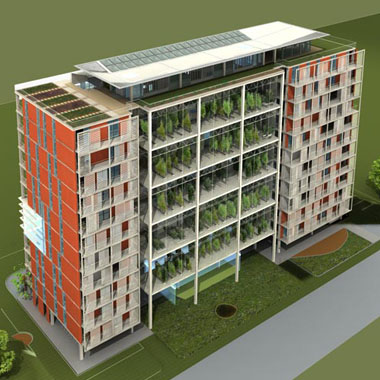
למבנה שני מרכיבי יסוד: בניין דירות וחממה ורטיקאלית רב קומתית, החובקת אטריום המשמש כארובה תרמית. החממות, הפונות לכיוון דרום, הן החלק המשמעותי בחזית הבניין, כשהן מייצרות מראה של גן רב קומתי הנמשך לכל גובהו. החממות משמשות לגידול ירקות, פירות או תבלינים על מצע מנותק וידידותי לסביבה, הן מצוידות במערכת השקיה בטפטוף החוסכת מים ומאפשרת למחזר מים אפורים, ובקרת האקלים בהן מתקבלת ע"י אוורור טבעי באמצעות האטריום. גג הבניין משמש כשטח גן נוסף וכמקום מפגש של הדיירים לפעילויות חברתיות. בקומת הקרקע ישנו גן ילדים המאפשר להם להימצא בסביבה מוגנת, בקרבת המשפחה והבית. תכנונה של קומת הקרקע מתבסס על תכסית מינימאלית המבטיחה הותרת שטחי אדמה לגינון ולהחדרת המים לאקוויפר.
מבנה וחומרים
המבנה בן 12 הקומות בנוי ממערכת מתועשת של עמודי פלדה וקורות בגריד של 9X10 מ'. הפנלים החיצוניים יוצרים חזית מודולארית המורכבת מקיר קונסטרוקציה מבודד ( Structural Insulated Panel ), זכוכית ותריסי הצללה נעים. חומרי הפנים נבחרו בקפידה, ומאופיינים באיכויות תרמיות, בעמידות גבוהה ויכולת מחזור. המפתחים הרחבים מאפשרים גמישות תכנונית ונתונים לבחירת הדיירים בהתאם לצורכיהם או טעמם כך שתהליך של שינויים הינו קל לביצוע. הפלדה, המשמשת לקונסטרוקציה של מבני Agro Housing מטופלת בתהליכים מתקדמים המשפרים את איכויותיה ואת מידת הדיוק הנדרשת, כך שהביצוע הינו מהיר וחסכוני והפגיעה באיכות הסביבה קטנה.
אוורור טבעי באמצעות ארובה תרמית
המגורים והחממה חובקים ארובה פנימית אנכית, המשמשת כאמצעי למיזוג אוויר טבעי המותאם לצורכי חימום וקירור. בעונת הקיץ פתחי הגג נותרים פתוחים על מנת לאפשר אוורור טבעי, כאשר המרפסות והתריסים מפחיתים ספיגת חום. בדירות הפונות לכיוון דרום ישנן מרפסות מוצלות המונעות חדירת שמש ישירה פנימה, ועלוות צמחי החממה יוצרת מסכים המגנים על חלקו הפנימי של הבניין. בעונת החורף פתחי הגג סגורים, וקירות החממה לוכדים את האוויר החם הנע בארובה התרמית. שמש חורף בזווית נמוכה מחממת מסות תרמיות המחממות את הדירות בשעות הלילה.
אנרגיה ומים
בפרויקט נעשה שימוש באנרגיה סולרית פסיבית לחימום הדירות והחממה. מערכת חימום סולרית הממוקמת על הגג מספקת מים חמים. העירWuhan בה בנוי הפרויקט, מכונה" עיר אלף האגמים" ומאופיינת במפלס מים גבוה. מערכת גיאותרמית מנצלת את הטמפרטורה האחידה של המים לצורך החדרת מערכת צינורת למי התהום המשמשים לחימום וקירור הדירות בכל עונות השנה.
להשקיית החממות ושטחי הגן משמשים מי גשמים מהגג והמרפסות וכן מים אפורים המגיעים מהדירות ועוברים תהליך מחזור. מערכת ההשקיה בטפטוף, שמעבירה את המים ישירות לצמחים מפחיתה את צריכת המים. שימוש בטכנולוגיה מתקדמת לגידול צמחים מאפשר למחזר את מי ההשקיה ולעשות בהם שימוש חוזר.
טכנולוגיית גידול בחממות
מערכת החממות מבוססת על טכנולוגיה מתקדמת. היבול גדל על מצע מנותק וידידותי לסביבה, המורכב מחומרים אורגניים כקוקוס, כבול, קומפוסט ותערובות נוספות שסופגות ומשחררות חומרי דישון לצמחים. מערכת השקיה מבוקרת מספקת כמות מדויקת של מים וחומרי דישון הנדרשים לצורכי הצמחים ולסינון המצע. הגידולים בחממה המוגנת, החפים מכימיקלים מזיקים, מניבים יבול אורגאני הנושא עמו יתרונות בריאותיים לדיירים ותועלת לאיכות הסביבה.
Agro Housing – תועלת לאיכות הסביבה ולאיכות החיים
לפיתוח סביבתי המשלב מגורים וחקלאות רב קומתית יתרונות בשימור משאבי הסביבה ושיפור איכות חיי הפרט והקהילה:
· גידול הירקות במרחב המגורים מפחית שימוש במשאבים הנדרשים לגידולם בחקלאות המסורתית, שאף כרוך בצורך לשנע אותם לעיר ולהקצות שטחי מסחר עבורם.
· הגידול החקלאי במרחב הביתי והשכונתי מוריד את הצורך ביוממות ובכך מפחית השקעה וניצול שטחי קרקע יקרים הכרוכים בפיתוח תשתיות עירוניות נוספות.
· ע"י צמצום שטחי שדות הנדרשים לחקלאות, תורם Agro Housing להגדלת הייעור, ובתוך כך להגנה על שכבת האוזון החיונית לשמירה על כדור הארץ.
· גידול עצמי וביתי של תצרוכת ירקות ופירות מעניק לדיירי הבניין אפשרות להגדיל הכנסה ואף מייצר עבורם מקומות עבודה חדשים במסגרת סביבתם הקרובה.
· בהיבט החברתי-תרבותי תורם Agro Housing לחיזוק קשרי משפחה וקהילה, ומציע שטחי התכנסות לפעילויות חברתיות משותפות.
הפרויקט מבוסס על גישה הוליסטית כוללת המגלמת עקרונות תרבותיים וסביבתיים בהם האדם הוא הגורם המרכזי בשימור האיזון העדין בין צרכיו לבין מחויבותו לאיכות הסביבה. כל ההיבטים הסביבתיים נבחנים מזווית ראיה רב תחומית: תרחישים אקולוגיים נצפים ונחקרים במקביל להיבטים תרבותיים והיסטוריים המבטאים קשר כוללני ומקיף עם הסביבה.
Agro Housing מציע דרך חיים המשלבת מגורים וחקלאות בסביבה עירונית. מדובר בקונספט מעשי המשנה את תפיסת הבית כפי שהיא קיימת היום, ומציע אפשרות לסדר חברתי-אורבאני חדש, המעלה את התכנון בן הקיימא לדרגת מודעות גבוהה יותר תוך ראיה רב תחומית.
תכנון אדריכלי: משרד "קנפו כלימור אדריכלים" - תגית כלימור, דוד קנפו, עודד קדרון, אורי הלל, אפרת טננבאום, אריה חיון, יוסי שיטרית, עומר גולדשטיין.
יועצי אגרונומיה וחממה: מהנדס דובי רז, חברת נטפים בע"מ
יעוץ קונסטרוקציה: מהנדס יצחק רוקח, רוקח אשכנזי מהנדסים יועצים בע"מ
יעוץ אנרגיה ובניה ירוקה: מהנדס יהושפט אהרוני, אסא אהרוני מהנדסים יועצים
Agro-Housing project - Wuhan, China
The international competition for sustainable housing (2007) was launched by "Living steel", a program initiated by the International Iron and Steel Institute (IISI) with the support of UIA (Union of International Architects). The competition called for innovative solutions for sustainable housing in high-density urban areas.
Agro-Housing, the winning design for sustainable housing construction in China, blends urban and rural living by creating vertical greenhouse space within high-rise apartments. Designed by Knafo Klimor Architects, the Agro-Housing concept presents a new type of home where tenants grow their own food indoors, greatly reducing environmental impact while elevating garden spaces and fostering greener neighbourhoods.
Knafo Klimor Architects developed this concept with regard to predictions that 50% of China's population will be living in cities by 2020, a trend mirrored in many developing countries in the world. The architects observe how massive urbanisation displaces communities, dissipating existing traditions and heritage, as well as placing a strain on energy resources and infrastructure. Agro-Housing, a new urban and social vision, reacts to the imminent changes by creating a new order in the city and, more specifically, in the housing environment. The idea behind Agro-Housing is for city-dwelling families to use indoor greenhouses to sustain them according to their own abilities in order to promote independent living and potentially, additional income. These greenhouse spaces also form a natural gathering place for community members to interact. Agro-Housing, a place for living is in essence, a model for a new urbanity, contributing to the preservation of traditions and community values and diminishing the trials of rural migration.
Layout
The Agro-Housing concept is based on two components: Apartment building and a vertical greenhouse embracing an atrium that function as a thermal chimney. The greenhouse, facing south, is the building’s prominent feature - a multi-floor garden for cultivation of crops such as vegetables, fruits or spices, growing on soilless substrate that is environmentally friendly and equipped with drip irrigation enable re-uses of grey water. The greenhouse climate is controlled by natural ventilation by means of the vertical chimney. The rooftop terrace provides additional garden space and grass lawns for social activities. A kindergarten on the ground floor keeps children close to home and family. The entire ground floor plan ensures a minimal footprint by adding ground surfaces for gardening and rainwater harvesting.
Construction & Materials
The 12-storey structure is made of steel columns and beams on a 10 by 9 meter grid. The structure is prefabricated and delivered to the site ready-made for installation. The exterior panels are prefabricated, forming modular façades of structural insulated wall panels, glass and sliding shades. All materials are chosen with attention to their thermal qualities, durability and recyclability. All interior partitions, made of recyclable light plaster panels, are arranged by the tenants, allowing ultimate flexibility according to changing personal needs.
Natural Ventilation through a Thermal Chimney
Agro-Housing's inner vertical chimney functions as a natural air-conditioner, ventilating the apartments or circulating heat as necessary. The vertical greenhouses buffer heat and cold. In summertime, the rooftop windows will be opened to allow natural cross-ventilation and the balconies and shades reduce heat absorption. South facing apartments have shaded balconies to block the summer sun. Greenhouse foliage screens the inner part of the building. In wintertime, the rooftop windows are closed, and the greenhouse walls trap warm air that circulates through the thermal chimney. Low-angle winter sun heats up thermal masses that warm the apartments at night.
Energy and water
The solar heating system delivers heat from the roof panels to each apartment using a forced circulation system. Geothermic system utilizes the high water table at the site.
Rainwater from roofs and balconies will be harvested for irrigation of greenhouse and garden water preservation. Irrigation will be supplied by recycling grey water from the apartments. Drip Irrigation will reduce water consumption by delivering irrigation directly to the plants and by collecting water through evaporation. Using advanced technology for production of crops enables the recycling of drainage water and reusing it.
Agro-Housing benefit to the environment
- Agro- Housing will save a considerable amount of energy by growing vegetables indoors, reducing the use of resources needed for traditional agriculture, transportation into cities and commercial spaces.
- Agro-Housing will allow the production of organic vegetables free of diseases and fertilizers according to the choice of the tenants.
- Agro-Housing will strengthen the social ties within the members of the family and community, and will offer a new space for gathering and social activities.
- Agro - Housing will create extra incomes and new jobs for the tenants of the building.
- Agro - Housing will reduce the need for extra development of urban infrastructures, as part of the food production will take place within the neighborhood.
- By reducing the area of agriculture fields, Agro Housing will contribute to forestation and reducing the damage to the ozone layer in the atmosphere.
Agro-Housing suggests a new way of living by creating spaces for dwelling and agriculture in the same environment. Agro-Housing is a highly feasible concept that will change the perception of home as we experience it today, introduce a new social and urban order and promote the idea of sustainability to a higher level of awareness.
Knafo Klimor Architects
Design Architects:
Tagit Klimor, David Knafo
Project team:
Oded Kidron, Uri Halel, Efrat Tennebaum , Arie Hayun,
Yossi Shitrit, omer Goldstien.
Green house consultant: Netafim Ltd.
Structural Engineers: Rokach Ashkenazi Engineer, Consultant Ltd
Energy, ventilation & air conditioning: Assa Aharoni Consulting Engineering Ltd
|


.jpg)


.jpg)

.jpg)