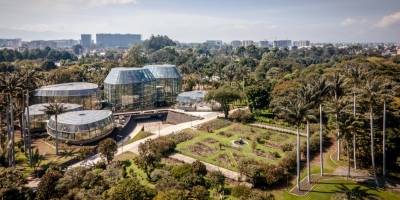
 הגן הבוטני בבוגוטה, קולומביה
|| פרויקטים
הגן הבוטני בבוגוטה, קולומביה
|| פרויקטים
Name of project: TROPICARIO . BOGOTA BOTANICAL GARDEN
Design: DARP [De Arquitectura y Paisaje]
Area: 3787 m²
Year: 2014 - 2021
Location: Bogotá, Colombia
Photographs: Mauricio Carvajal
Lea d Architects: Jorge Buitrago, Jaime Cabal
Coordinator: David Carmona
Competition Phase: Melisa Arango, Carlos Andrés Palacio, Sara Olier, Benjamín Gómez, Mateo Agudelo,
Graphic designer: Adriana García
Development Phase: Jamie NG, Teresa Tognetti Bottone , Carlos Andrés Palacio, Cristian Camilo Ríos, Milena Jaramillo, Sebastián Rosas, Héctor Ospina, Mauricio Álvarez, Katherine Agudelo, Adriana García.
בוגוטה היא בירת קולומביה, היא ממוקמת במרכז המדינה בגובה 2,600 מטר מעל פני הים. השטח שהעיר כובשת מכונה 'סוואנה בוגוטה', רמה שהיא חלק מרכס ההרים המזרחי של הרי האנדים. העיר מוגבלת באזור המזרחי על ידי מערכת הררית המכונה הגבעות המזרחיות ובמערב על ידי נהר בוגוטה, לפני כ-20,000 שנה הטריטוריה הזו הייתה אגם גדול שהצטרף אל הגבעות והנהר .כיום יש רק כמה עקבות של אגם זה בעבר, העיר ייבשה את הרוב המכריע של אזורי הביצות למען הפיתוח העירוני שלה, והפכה מ-50,000 הקטרים בתחילת המאה ה-20, ל-727 בלבד, והותירה רק 1.45% מהשטח המקורי. הידרדרות זו נובעת בעיקר מבורות נרחבת לגבי חשיבותן של אדמות ביצות במערכות אקולוגיות.
The country's environmental wealth is contrasted by the high levels of deforestation and exploitation of raw materials; Illegal mining, extensive cattle ranching and indiscriminate logging are some of the biggest problems. 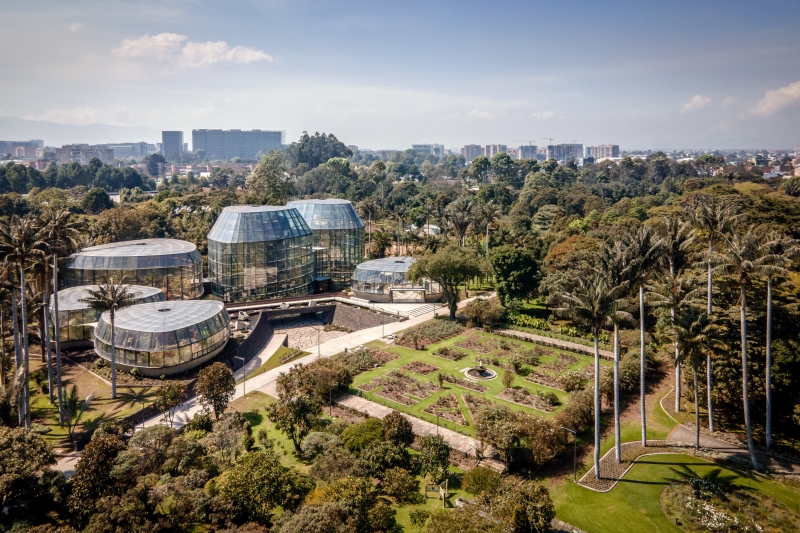
Photo Credit: MAURICIO CARVAJAL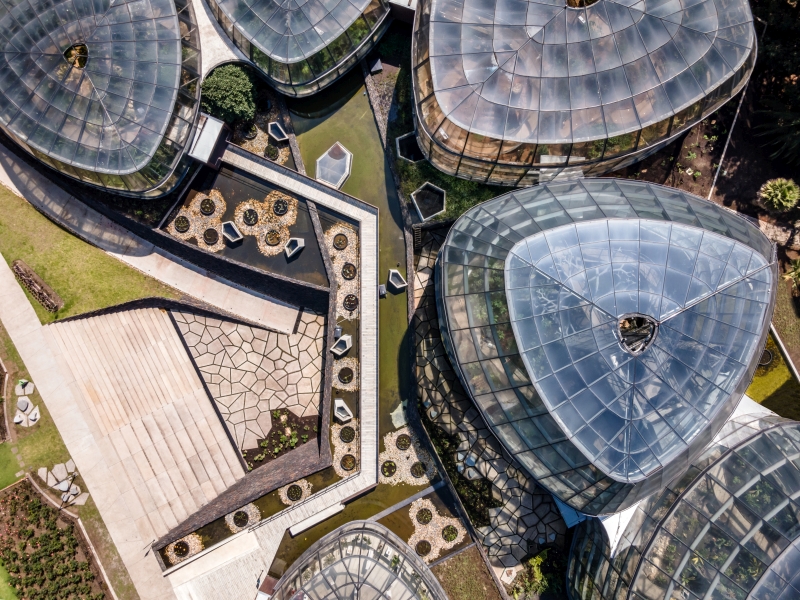
Photo Credit: MAURICIO CARVAJAL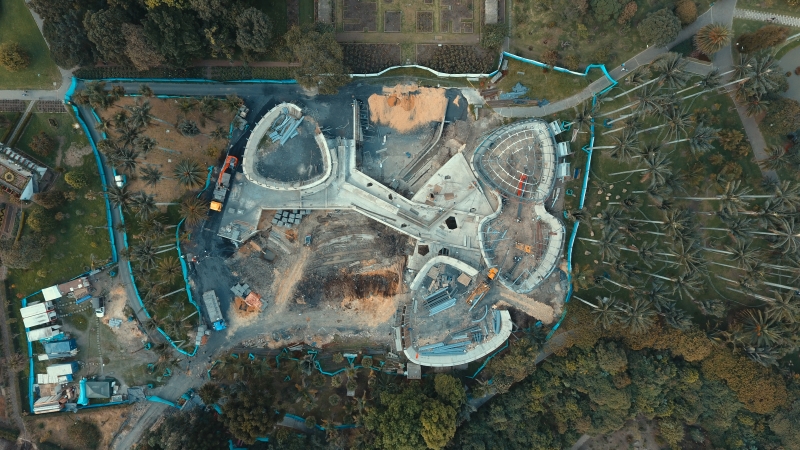
Photo Credit: MAURICIO CARVAJAL
The high rates of endangered species have put Colombia on the red list of the eight countries responsible for half of the deterioration of the planet. As a strategy for the conservation and protection of ecosystems, the Botanical Garden of Bogotá develops the initiative 'Nodos de Diversidad' or 'Nodes of Diversity', an ambitious project that seeks to carry out a new botanical expedition throughout different areas of the country and that will allow protecting and valuing some of the most threatened ecosystems in the Colombian territory.El Tropicario, as the project is called, is the main infrastructure of this plan. It will be the exhibition space for promoting the results of these expeditions. The project is located on the footprint of an old structure, which was in a high state of deterioration.
The conservation of the wax palms surrounding the implantation site was a decisive element for the project. It is a species of very slow growth, declared a national tree and in danger of extinction. These palms live for more than 100 years, reaching heigh ts of up to 70 meters. There are more than 70 adult palms of this type around El Tropicario. This raised the need to use a system of flexible forms, in order not to affect the trees. Another important condition was to integrate El Tropicario into the structure of the Botanical Garden and its strong educational and vocational outreach.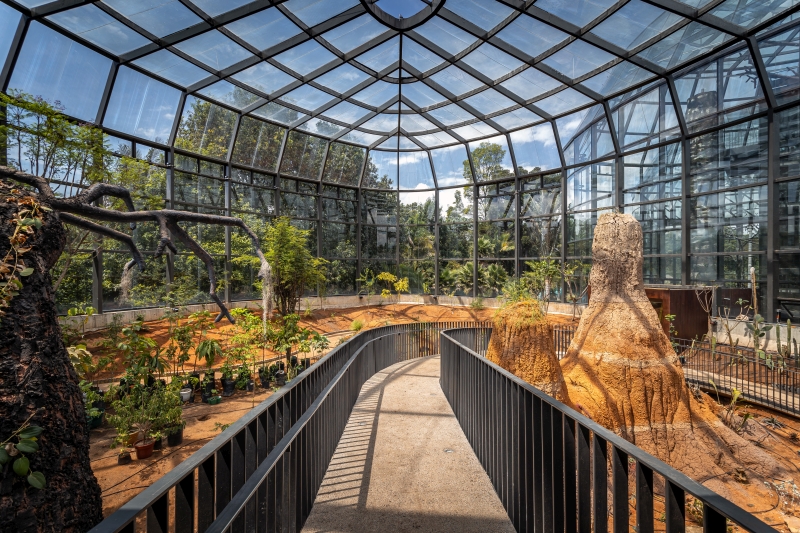
Photo Credit: MAURICIO CARVAJAL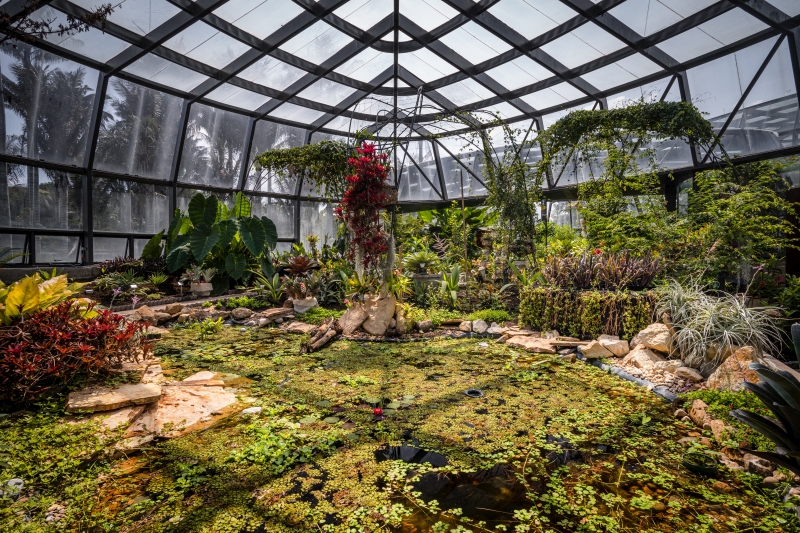
Photo Credit: MAURICIO CARVAJAL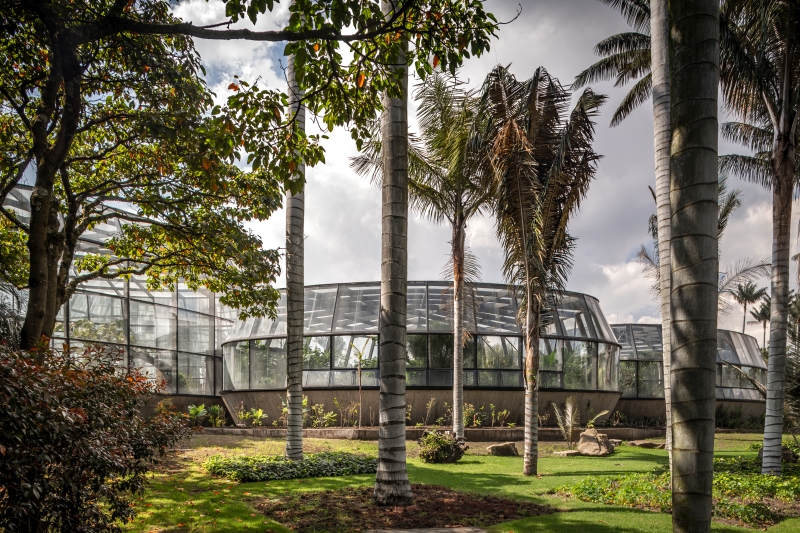
Photo Credit: MAURICIO CARVAJAL
El Tropicario is part of the general route of the Garden and the proposed architecture is generated for walking, therefore it couldn't be thought of as a building closed by walls. The starting question was: How to relate the project to the landscape of the Bogotá Savannah? This question would require the project to function as a space to disseminate and teach about the environmental values and threats that this territory faces , as a way of contributing to the culture of the local landscape. The answer involved understanding the building as a system of related parts that make up a whole. Conceptually, the different areas of the program function as floating spaces, within a wetl and, which is the ecosystem of the Bogotá Savanna. For this, references of amphibian architecture developed by preHispanic engineering [Chinampas, Camellones, Floating Islands] was important. The project is made up of six collections: Humid Forest, Dry Forest, Special Collections, Useful Plants, Superpáramos and Biodiversity, each space having specific hhh, temperature and humidity requirements. These spaces function as 'floating' modules, articulated through an artificial wetland, a collection proposed by the design team from the competition phase.
The use of passive temperature control systems that don't require mechanical ventilation systems was promoted, using glass with different thicknesses and filters and automated systems for opening some areas to control the temperature. Each of the structures is considered as a water receiver, with an oculus incorporated in the upper part to capture rainwater, leading it to lakes located within the space, passing it further to the artificial wetland in the perimeter, which in turn works as a large reservoir of water that is used for
irriga tion systems for vegetation, thus creating a closed cycle. A system of 'locks', as transitional spaces between the different collections allow the visitor to move from one space to another, preserving the temperature conditions required for each space. Each lock has the required technical controls and emergency exits. The environmental emergency that our planet is experiencing makes it necessary for the public project to be imagined using urban and environmental logics in a symbiotic way, in order to safeguard the shared environmental heritage.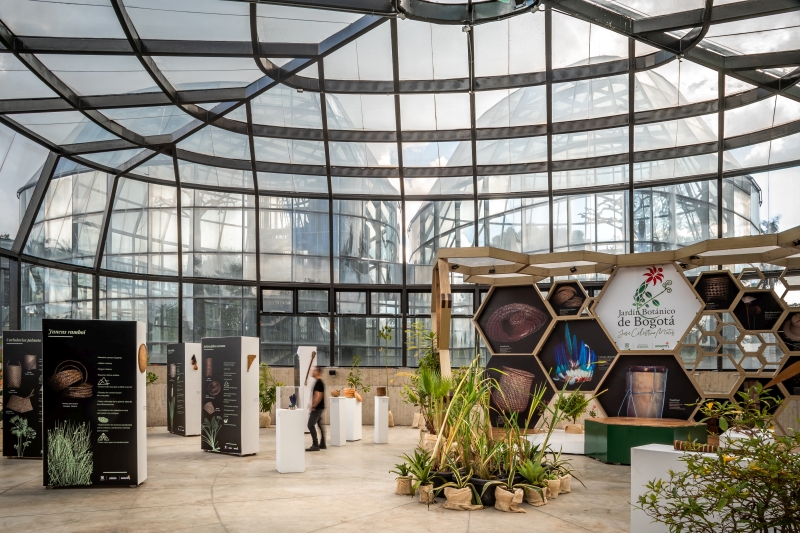
Photo Credit: MAURICIO CARVAJAL
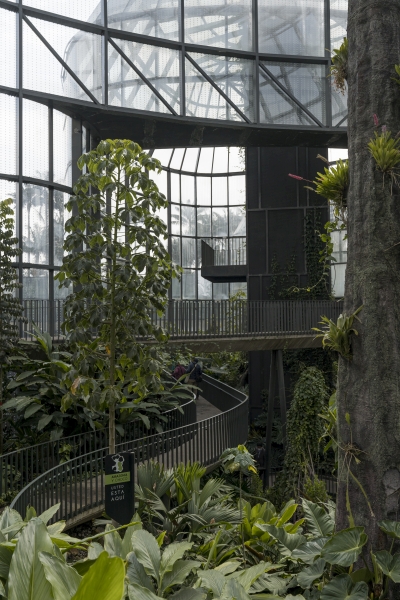
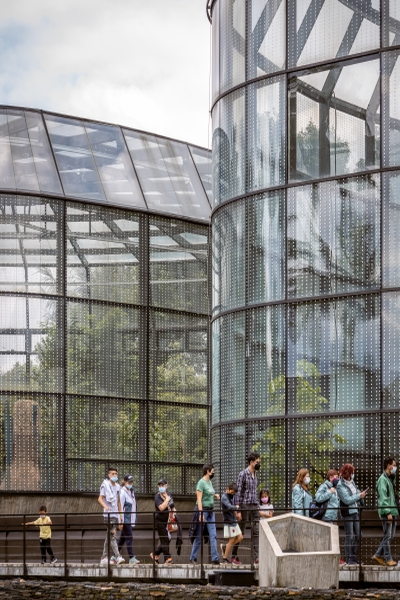
Photo Credit: MAURICIO CARVAJAL
El Tropicario is a commitment to building a landscape culture where, from the local context, a message of global urgency is transmitted. The structural system was based on concrete pillars driven 30 meters deep in the ground, located on the perimeter of the structures. The objective of this system was to free the soil inside the spaces in order to have areas for deep seeding. Upon reaching the surface, on these pillars, the concrete sloping walls were emptied, functioning as a support.
As a strategy for the conservation and protection of ecosystems, the Botanical Garden of Bogotá develops the initiative 'Nodos de Diversidad' or 'Nodes of Diversity', an ambitious project that seeks to carry out a new botanical expedition throughout different areas of the country and that will allow protecting and valuing some of the most threatened ecosystems in the Colombian territory.
El Tropicario, as the project is called, is the main infrastructure of this plan. It will be the exhibition space for promoting the results of these expeditions. The project is located on the footprint of an old structure, which was in a high state of deterioration. The conservation of the wax palms surrounding the implantation site was a decisive element for the project. It is a species of very slow growth, declared a national tree and in danger of extinction. These palms live for more than 100 years, reaching hhhs of up to 70 meters. There are more than 70 adult palms of this type around.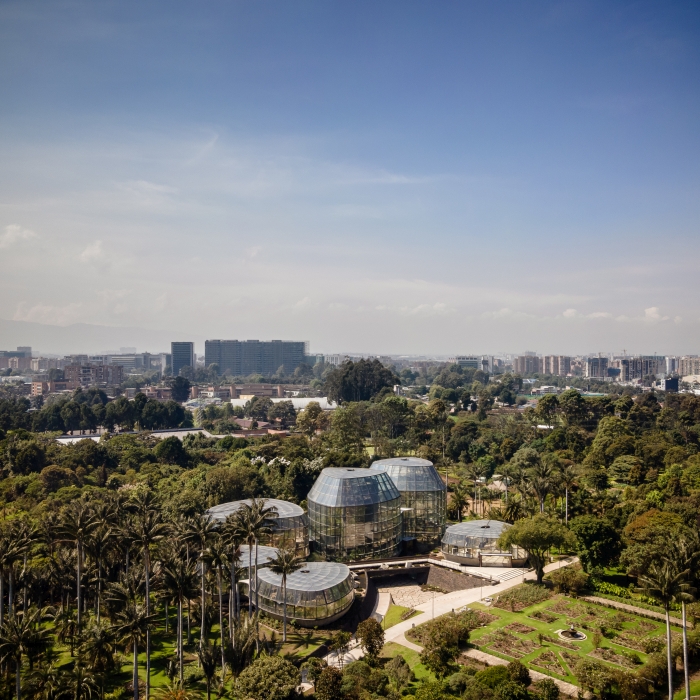
Photo Credit: MAURICIO CARVAJAL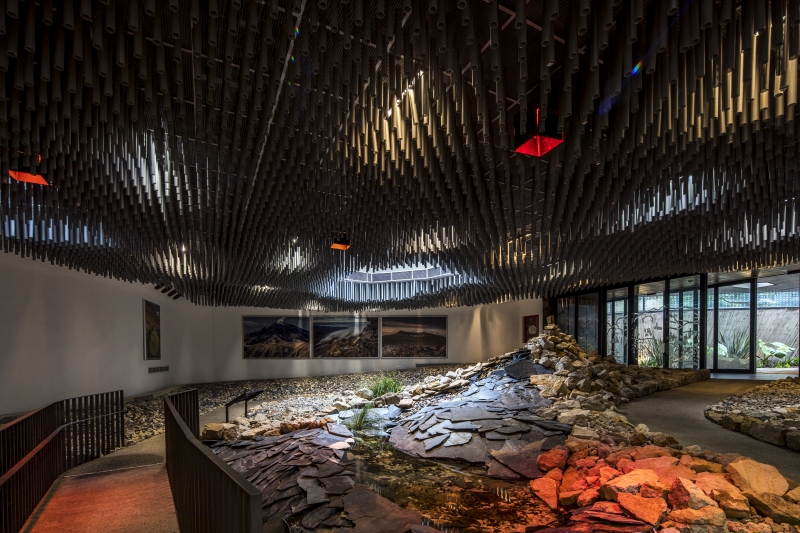
Photo Credit: MAURICIO CARVAJAL
 למרות הכל: ענף האדריכלות והעיצוב בתנועה
 רענון אביבי לבית: מבצעים והשקות לפסח
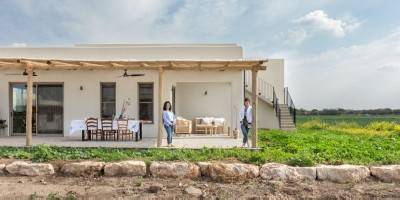 מול הכנרת: בית שמרגיש כמו חופשה - אדריכלות ועיצוב: סטודיו 'רות ולבנה'
 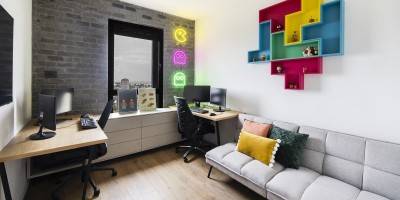 צבע כאמירה של שמחה: השפה האופטימית של סטודיו טולה
 נשים שיודעות לבנות, לעצב ולהוביל
 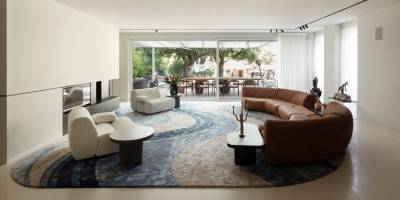 קולקציות 2026 אביב
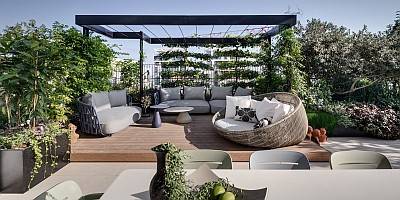 דווקא עכשיו: צאו החוצה מאת שי דוד, מעצב נוף, כרכום
  הגוונים החדשים באקריל - בלורן
 מלון בוטיק פרטי: דירה בראשון לציון שעוצבה כפרק חיים חדש - מעצבת פנים שני חיוט
 לא רק עיצוב - יצירה מחדש של בית - מעצבת פנים גלית ששון
  הצד השמח של העיצוב: הבחירות שעושות חג בבית
 אהבה על שרטוטים: כשהשיפוץ הופך למבחן הזוגיות
 הוא רצה מודרני. היא חלמה כפרי. והמעצבות? מצאו דרך שלישית
  עולם המטבחים: כל מה שרצית לדעת
 ט״ו בשבט בבית – אדריכלות ועיצוב כדרך חיים המחוברת לטבע
|
|